In Mozambique’s latest presidential election, ruling party candidate Daniel Chapo secured victory with over 70% of the vote, solidifying Frelimo’s control—a position the party has maintained since the country’s independence in 1975. The results, announced by Mozambique’s National Electoral Commission, showed independent candidate Venancio Mondlane as the runner-up with 20%, while Renamo, the traditional opposition party, garnered less than 6%.
Despite the decisive margin, Mondlane has alleged widespread electoral manipulation, calling for peaceful national protests. Recent demonstrations saw police deployment of tear gas against protestors in Maputo, a response further intensified by the recent killings of opposition members Elvino Dias and Paulo Guambe. While these deaths have drawn international condemnation, including statements from the U.S., Canada, Norway, Switzerland, and the U.K., outgoing President Filipe Nyusi urged against premature conclusions regarding political motives behind the violence. The U.S. State Department echoed a call for Mozambicans to address electoral grievances peacefully.
Before the election, Adriano Nuvunga, director of Mozambique’s Center for Democracy and Human Rights, cast doubt on the potential for change, suggesting Frelimo’s dominance would persist despite popular support for Mondlane. “The terrain is already prepared…we know the status quo will prevail,” Nuvunga told VOA. Frelimo MP Sergio Pantie defended the outcome, attributing the party’s success to its “genuine popularity” among the Mozambican populace.
However, political observers, including Kenya’s Kenneth Ombongi, argue that Mozambique’s electoral process lacks the transparency seen in other African nations transitioning toward democratic reform. “In disputed elections, the opposition often claims manipulation,” Ombongi noted, adding that state responses typically include a heavy-handed security presence. The EU’s observer mission also reported irregularities, citing incidents where their personnel were obstructed during vote tabulation. They further described “unjustified alterations” in recorded vote counts at some polling stations.
Nonetheless, the generational shift represented by Chapo and Mondlane, both in their 40s, was met with cautious optimism. Kwaku Nuamah, a professor at American University, lauded the presence of younger political leaders, stating, “The youth has arrived in Mozambique…for the first time, there’s turnover from the liberationist generation. Hopefully, they’ll address issues that resonate with young Mozambicans.” He also commended outgoing President Nyusi for respecting the two-term constitutional limit—a rarity among some African leaders.
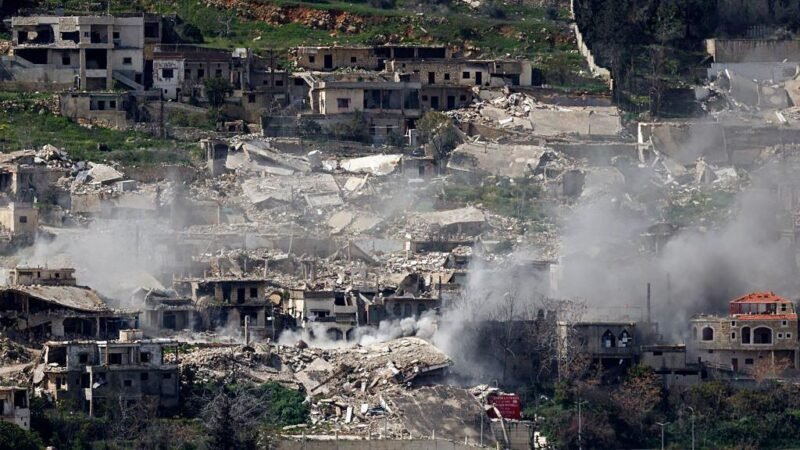
The new administration faces a complex set of challenges, particularly in the resource-rich but conflict-stricken Cabo Delgado province. Ongoing violence between insurgents and military forces there has claimed approximately 4,000 lives and displaced close to a million people since 2017, hampering major gas and oil developments. The recent withdrawal of Southern African Development Community (SADC) troops and the continued presence of Rwandan and Tanzanian forces indicate a protracted security dilemma. As Professor Nuamah emphasized, resolving Cabo Delgado’s crisis will demand robust strategies and international cooperation, including decisions about foreign military involvement and sustainable development of natural resources.
Beyond security, economic concerns loom large. Mozambique, with a reported poverty rate exceeding 60%, is rich in oil, gas, and other valuable resources, but this wealth has yet to benefit most Mozambicans. According to Ombongi, the country’s natural resources have primarily served foreign interests rather than contributing to local economic development. He attributes this to “neo-colonial tendencies” and a domestic political elite susceptible to foreign influence.
Mozambique’s future under Chapo remains uncertain, marked by formidable economic and security challenges but also by the possibility of incremental political change. Whether this will translate into tangible benefits for ordinary citizens is yet to be seen, but the pressure is on for the new administration to address economic disparity, maintain peace, and foster a more democratic process in future elections.