
ENERGY WARFARE
India Pushes Back After Trump Claims It Will Stop Buying Russian Oil

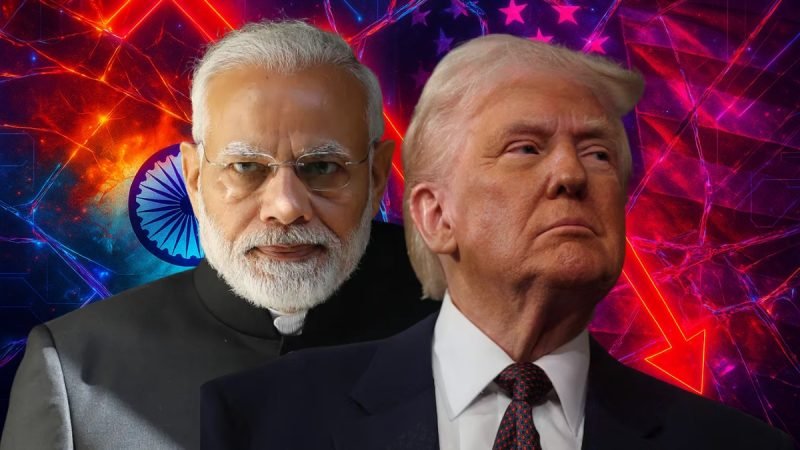
A diplomatic rift erupted Thursday after India flatly denied U.S. President Donald Trump’s claim that Prime Minister Narendra Modi had agreed to halt oil imports from Russia — a move that would have marked a dramatic reversal in one of the world’s most consequential energy partnerships.
“I am not aware of any such conversation,” India’s Foreign Ministry spokesman Randhir Jaiswal told reporters in New Delhi, hours after Trump boasted that Modi had “assured me today” that India would stop buying Russian oil.
The contradiction exposes the widening fault lines between Washington’s sanctions regime and New Delhi’s strategic independence.
For months, India has defied U.S. pressure to sever its energy links with Moscow, arguing that its top priority is keeping energy prices stable for its 1.4 billion citizens.
A Clash of Realities
India is one of the largest buyers of Russian crude since Moscow’s 2022 invasion of Ukraine — purchasing up to 1.8 million barrels per day, according to data from Kpler.
Trump’s comments come weeks after his administration imposed a 25% tariff on Indian goods as punishment for continued Russian oil purchases — doubling down on an earlier round of penalties.
Washington insists the sanctions are necessary to choke off Moscow’s war financing, but Indian officials see them as coercive and counterproductive.
“Ensuring stable energy prices and secured supplies are our twin goals,” India’s Foreign Ministry said in a statement pointedly omitting any mention of Russia. “Diversification will continue as appropriate to meet market conditions.”
The message was unmistakable: India will not be bullied into reshaping its energy policy for another nation’s war.
Modi’s Nationalist Defiance
Modi’s quiet refusal to bend to U.S. pressure reinforces his image at home — that of a leader who stands firm on India’s sovereignty.
It’s a narrative that resonates deeply with a domestic audience weary of Western lectures and double standards.
Trump’s misstep, meanwhile, highlights Washington’s waning leverage over partners who are now comfortable charting their own course in a multipolar energy world dominated by pragmatism, not ideology.
A Strained Partnership in Need of Repair
Behind the scenes, Indian and American diplomats are scrambling to cool tensions.
Both sides acknowledge “unresolved trade issues,” according to Indian Foreign Minister S. Jaishankar, but remain committed to finding “a landing ground.”
Still, this latest episode — a clash between rhetoric and reality — shows just how fragile that landing ground has become.















DOJ Fails to Indict Democrats Over ‘Illegal Orders’ Video

Taiwan’s Lai Presses Opposition to Approve $40 Billion Defence

EU Lawmakers Approve Tougher Asylum Rules


-
 Interagency Assessment2 months ago
TOP SECRET SHIFT: U.S. MILITARY ORDERED INTO SOMALILAND BY LAW
-

 Somaliland4 months ago
Somaliland Recognition: US, UK, Israel, and Gulf Bloc Poised for Historic Shift
-
 Minnesota1 month ago
Fraud Allegations Close In on Somalia’s Top Diplomats
-

 Middle East2 months ago
Saudi Arabia vs. UAE: How The Gulf Rivalry is Heating Up
-

 American Somali3 months ago
Why Frey Won a Significant Share of the Somali Vote Against a Somali Opponent
-
 Middle East2 months ago
Turkey’s Syria Radar Plan Triggers Israeli Red Lines
-
 Editor's Pick1 month ago
Why India Is Poised to Become the Next Major Power to Recognize Somaliland
-
 The Million-Follower Exile2 months ago
Why America Deported Its Most Famous Somali TikTok Star And Who Paid The Price