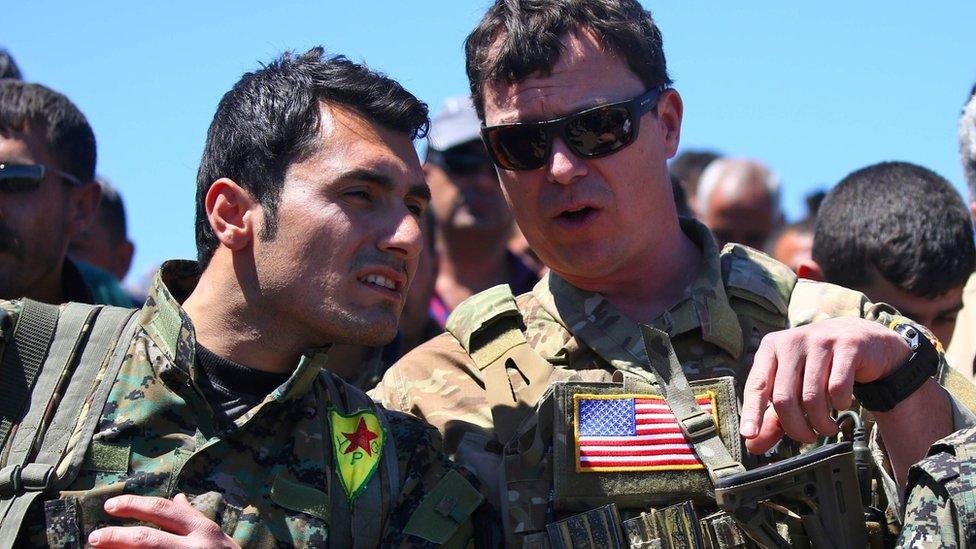
As diplomacy inches forward, Russia is making one thing brutally clear: foreign boots in Ukraine cross a line.
Russia has issued one of its starkest warnings yet to the West, declaring that any foreign military forces or infrastructure deployed in Ukraine would be treated as “legitimate targets” by the Russian Armed Forces—a statement that sharply raises the stakes as talks aimed at ending the war continue.
In comments released Monday, the Russian Foreign Ministry cited Foreign Minister Sergei Lavrov as saying that the presence of Western troops, bases, or logistics facilities in Ukraine would constitute direct foreign intervention and pose an unacceptable threat to Russia’s security.
“The deployment of military units, facilities, warehouses, and other infrastructure of Western countries in Ukraine is unacceptable to us,” the ministry said. “All foreign military contingents, including German ones, if deployed in Ukraine, will become legitimate targets.”
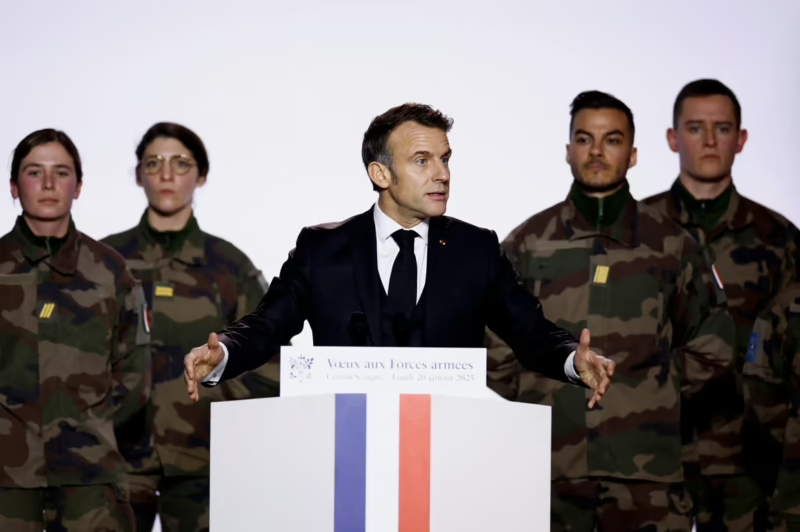
The warning comes as several Western governments quietly debate whether some form of foreign military presence could help guarantee a future peace settlement. Moscow’s response suggests it intends to foreclose that option entirely—by force if necessary.
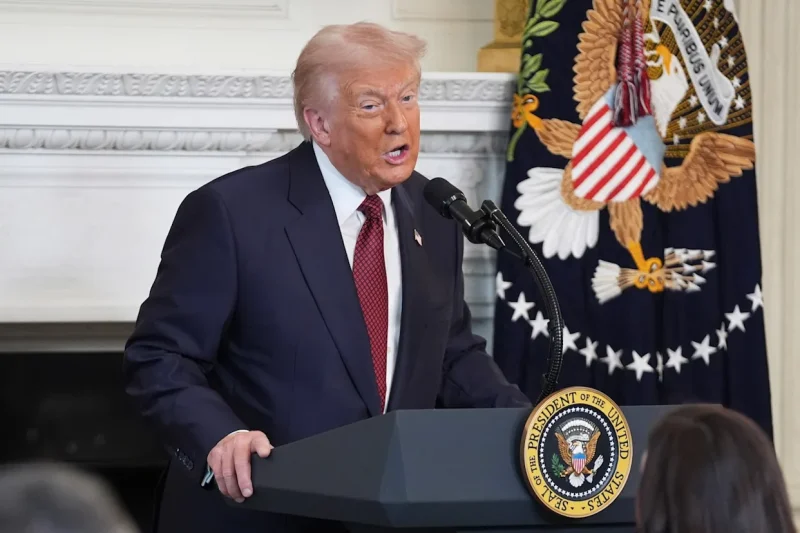
The statement also revealed a notable contrast in tone toward Washington. The Foreign Ministry praised U.S. President Donald Trump for what it called “purposeful efforts” to resolve the conflict and for recognizing what Moscow describes as the war’s “root causes,” particularly NATO’s eastward expansion and its overtures to Ukraine.
Lavrov, the ministry said, views Trump as “one of the few Western politicians” willing to engage Moscow without what Russia labels “meaningless and destructive preconditions.” The message underscores a broader Russian strategy: separating Washington from its European allies by portraying the U.S. president as pragmatic while casting European security initiatives as escalatory.
Diplomatic efforts are nonetheless continuing. The United States is spearheading talks to end the conflict, with a second round of three-sided discussions involving Russian and Ukrainian representatives expected this week in the United Arab Emirates.
Yet the core obstacle remains unresolved. Russia continues to demand that Ukraine cede the entirety of the Donbas region, including areas Moscow has not captured militarily. Kyiv has rejected those demands outright, insisting that internationally recognized territory cannot be traded away under pressure.
Russia’s categorical rejection of any Western troop presence highlights a deeper reality: even if a ceasefire or peace framework emerges, Moscow intends to dictate the security architecture that follows. From its perspective, peace enforced by NATO-adjacent forces would be indistinguishable from defeat.
The warning also places European capitals in a bind. Any discussion of postwar security guarantees involving physical deployments now carries the explicit risk of direct confrontation with Russia. What might be framed in the West as stabilization could, in Moscow’s calculus, justify escalation.
In effect, Russia is drawing a hard red line before negotiations even conclude. The message is simple and chilling: diplomacy may decide borders, but force will decide who is allowed to stand on them.