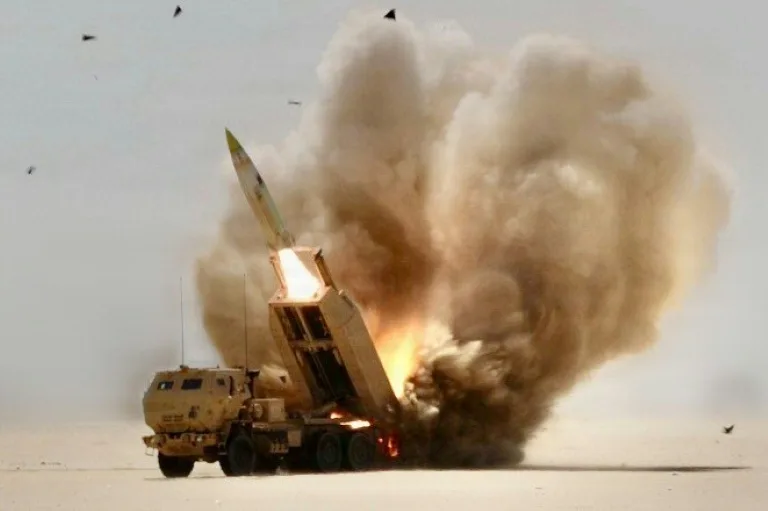
US President Donald Trump’s decision to designate Nigeria as a “Country of Particular Concern” over the persistent killings of Christians — followed by an unusually blunt threat of possible military intervention — has thrust Africa’s most populous nation into an uncomfortable global spotlight.
It also raises a question Nigeria’s leaders have preferred to avoid: What does sovereignty mean when a government cannot protect its own people?
Abuja responded cautiously, insisting that security within its borders remains a strictly sovereign matter. Yet the facts on the ground tell a more difficult story.
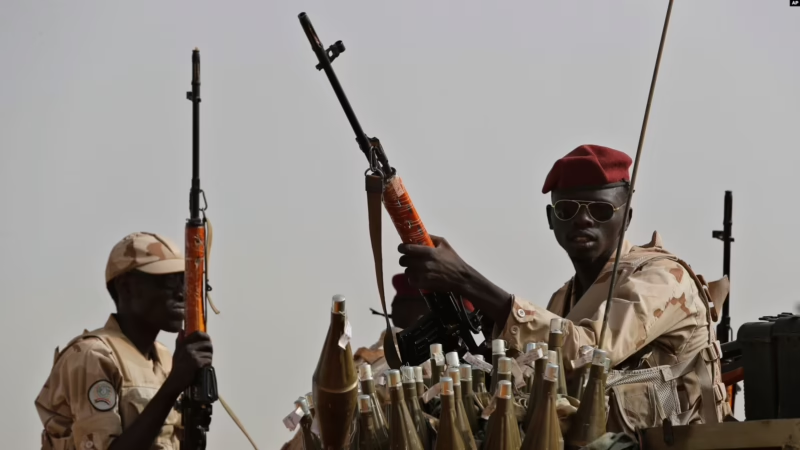
For more than a decade, successive Nigerian administrations have struggled — and often failed — to stop Islamist militants from slaughtering civilians across the north.
Boko Haram, its splinter group ISWAP, and armed Fulani militias have killed tens of thousands of Nigerians, Christians and Muslims alike, turning entire communities into internally displaced populations and hollowing out local economies.
Nigeria matters — its size, population of 220 million, and economic weight make it a pillar of Africa’s stability.
But Nigeria also matters because others need it to matter: for energy, minerals, investment, and influence. A strong Nigeria can anchor West Africa; a fractured Nigeria can destabilize the entire region.
Across the past decade, however, Abuja has allowed internal cohesion to erode. The political class has grown increasingly insulated and self-satisfied amid worsening insecurity, deepening poverty, and recurring extremist violence.
The result is a strategic paradox: Nigeria’s global relevance is rising, even as its domestic capacity to protect its citizens is shrinking.
That fragility now carries consequences. Washington’s warning, whatever its political motives, reflects a broader reality — that Nigeria’s internal failures are no longer seen as purely local concerns.
With the Sahel slipping deeper into insurgency, the risk of regional spillover has escalated, and Nigeria’s instability has become a matter of international security.
The deeper danger lies not in Trump’s rhetoric but in what it exposes: a widening gap between Nigeria’s aspirations and its ability to execute the most basic function of a state.
No amount of eurobond issuances, summit diplomacy, or investment roadshows can obscure the constitutional imperative that “the security and welfare of the people shall be the primary purpose of government.”
If Abuja wishes to reaffirm true sovereignty, it must reclaim full control of its territory — not in speeches but in verifiable action.
That means eliminating ungoverned spaces, rolling back insurgent groups, and ensuring that citizens of every religion or none at all can live without fear. In the absence of that, accusations of state failure will only grow louder, and external pressure will intensify.
Trump’s statement may be provocative, even abrasive. But it reflects a truth Nigeria can no longer postpone: Governments must govern. That is not just a political slogan — it is the job description, and Nigeria’s future depends on fulfilling it.