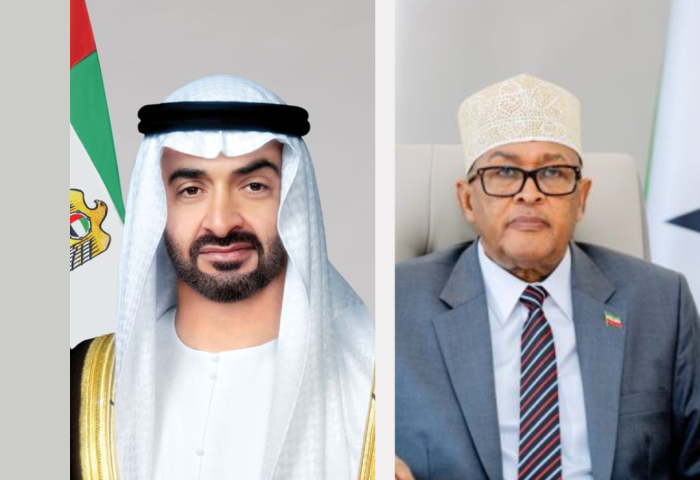
For the first time since 2022, Russia, Ukraine, and the United States are sitting at the same table — not to exchange threats, but to confront the question both sides have tried to avoid: territory.
The trilateral talks in Abu Dhabi mark a decisive shift in the nearly four-year war. Until now, diplomacy circled around ceasefires, sanctions, prisoners, and weapons. Now it faces the core dispute that has defined the conflict from the start: who controls the Donbas — and at what price.
The symbolism is as important as the substance. These talks follow President Zelenskyy’s meeting with Donald Trump in Davos and Vladimir Putin’s late-night session in Moscow with U.S. envoy Steve Witkoff and Trump’s son-in-law Jared Kushner. In diplomatic terms, this is not coincidence — it is choreography. Washington is repositioning itself not just as a supporter of Kyiv, but as the broker of a geopolitical reckoning.
At the heart of the negotiations lies Donetsk, where Russia is demanding Ukraine surrender the 20 percent it still holds. Zelenskyy has publicly rejected land concessions for nearly four years, framing them as a betrayal of national survival. Yet the very fact that Ukrainian envoys are now discussing Donbas in Abu Dhabi signals a strategic recalibration, driven less by ideology than by exhaustion.
That exhaustion is not abstract. As diplomats gather in climate-controlled conference rooms, Ukraine is enduring sub-zero temperatures after Russian missile strikes crippled its power grid. The head of Ukraine’s largest private energy firm now warns of an approaching “humanitarian catastrophe.” In war, diplomacy moves fastest when civilians freeze.
Putin enters the talks with momentum on the battlefield and clarity on his red lines. Territory is non-negotiable, and Moscow has framed any settlement around formal recognition of Russian control over occupied regions. Zelenskyy enters with international legitimacy, but narrowing strategic space — pressured by war fatigue in Europe, political recalibration in Washington, and a looming fourth anniversary of invasion.
Trump, for his part, is repositioning the narrative. Where previous administrations emphasized endurance, Trump emphasizes closure. “Now, I think they both want to make a deal,” he said aboard Air Force One — not as a prediction, but as a framing device. If peace happens, Trump claims authorship. If it fails, blame disperses across Kyiv and Moscow.
What makes these talks especially volatile is that territory is not merely land. It is identity, legitimacy, and historical memory. Any compromise risks destabilizing Zelenskyy domestically, while anything short of territorial recognition risks undermining Putin’s war narrative.
Yet the alternative is a war without horizon.
Abu Dhabi is not hosting a peace agreement. It is hosting the first real test of whether war can be politically ended, not just militarily endured.
And once territory is on the table, there is no returning to comfortable ambiguity. Every future battlefield move, every sanction, every diplomatic gesture will now be measured against a single question: who is preparing for peace — and who is preparing to win before peace arrives?
The Donbas is no longer just a front line. It is now the fulcrum of Europe’s most consequential negotiation.