Missiles by night. Freezing apartments by morning. Ukraine’s cities face another winter blackout as diplomacy stalls.
Russia launched a sweeping overnight assault of drones and ballistic missiles on Ukraine early Thursday, knocking out power, heating and water supplies to tens of thousands of civilians in Kyiv and other major cities, Ukrainian officials said.
The barrage, which included 24 ballistic missiles, one cruise missile and 219 drones, marked the latest escalation in Moscow’s winter campaign against Ukraine’s energy grid. Ukraine’s air force said its defenses intercepted or neutralized 16 missiles and 197 drones, but significant damage was still reported.
In Kyiv, Mayor Vitali Klitschko said about 3,500 apartment buildings were without heating, including nearly 2,600 high-rises newly affected by the strike. More than 100,000 families lost electricity, according to private energy provider DTEK, which said one of its thermal power plants had been targeted. Two people were injured in the capital, and a residential building sustained damage.
The southern port city of Odesa also suffered heavy disruption. Deputy Prime Minister Oleksiy Kuleba said nearly 300,000 residents were left without water after electricity supplies were cut. Close to 200 buildings were without heating. Regional officials reported damage to an apartment block and a market fire that injured at least one person.
In Dnipro, a combined missile and drone strike wounded four people, including a baby and a four-year-old child, according to regional authorities. Elsewhere, prosecutors said two people were killed and six injured in an attack on Lozova, a railway hub in the northeastern Kharkiv region.
Moscow has repeatedly denied deliberately targeting civilians, despite widespread destruction of residential infrastructure since its full-scale invasion in 2022. Kyiv acknowledges striking targets inside Russia and Russian-occupied areas, though at a far smaller scale.
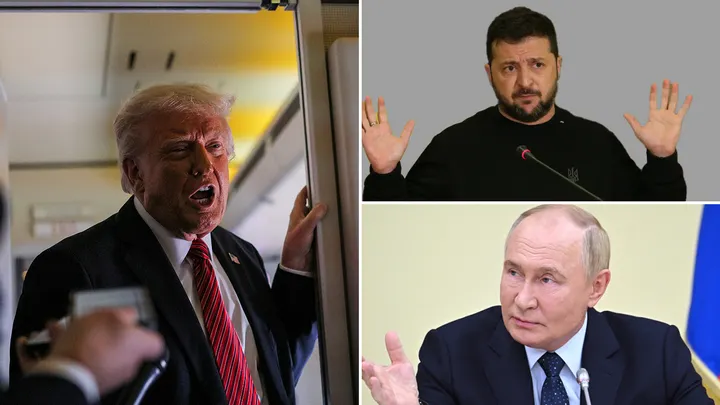
Ukraine’s Foreign Minister, Andrii Sybiha, condemned the latest assault as a setback to diplomatic efforts aimed at ending the nearly four-year war. U.S.-backed talks have yet to bridge core disagreements, even as Russian forces press offensives on the battlefield.
President Volodymyr Zelenskyy said this week that stronger international pressure on Moscow would be essential if hopes for a summer ceasefire are to materialize.
For many Ukrainians, however, diplomacy feels distant. As temperatures plunge, survival once again hinges on generators, blankets and the fragile resilience of a battered power grid.