Air strikes on Kabul. Artillery at Torkham. “Open war” declared. How did neighbors turn into battlefield rivals?
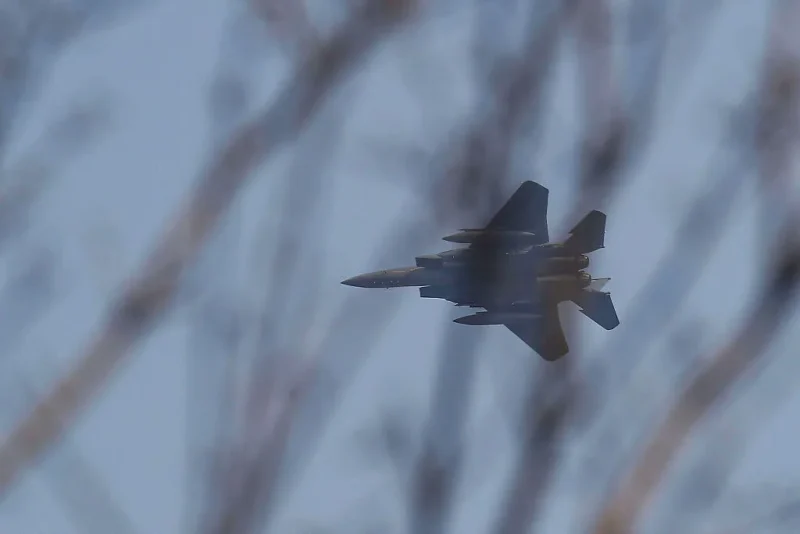
Pakistan has launched air strikes on Afghanistan’s capital, Kabul, as well as targets in Paktia and Kandahar, marking one of the most serious escalations between the two countries since the Taliban returned to power in 2021.
Pakistani Defense Minister Khawaja Asif declared that Islamabad’s “cup of patience has overflowed,” describing the confrontation as “open war.” Afghanistan’s Taliban government confirmed the strikes and said it had begun “large-scale offensive operations” along the border in response.
The fighting follows weeks of clashes along the 2,600-kilometer Durand Line, the disputed frontier that Afghanistan has never formally recognized. Gunfire and shelling were reported near the key Torkham crossing, a vital trade and transit route.
Both sides claim heavy casualties. Pakistani officials say dozens of Taliban fighters were killed in air strikes and border battles. Kabul disputes those numbers and claims its forces inflicted significant losses on Pakistani troops. Independent verification remains difficult.
At the core of the conflict lies Pakistan’s long-standing demand that the Afghan Taliban crack down on Tehreek-e-Taliban Pakistan (TTP), a militant group responsible for deadly attacks inside Pakistan. Islamabad accuses Kabul of allowing TTP fighters to operate from Afghan territory — a charge the Taliban deny.
Since 2022, attacks in Pakistan’s Khyber Pakhtunkhwa and Balochistan provinces have surged. Analysts say Islamabad’s frustration has grown as diplomatic efforts and ceasefires repeatedly collapsed.
Another source of tension is the Durand Line itself. Afghanistan considers the British-era border illegitimate, arguing it divided Pashtun communities. Pakistan insists it is the recognized international boundary.
Military imbalance complicates the picture. Pakistan fields a far larger, better-equipped force, including air power — something the Taliban lack. That gives Islamabad the ability to strike deep into Afghan territory without crossing the border. However, experts warn that Afghanistan could respond asymmetrically, potentially through proxy fighters or cross-border attacks.
International reaction has been swift. The United Nations has urged restraint. Iran and Russia have called for dialogue. India condemned Pakistan’s air strikes, accusing Islamabad of exporting its internal instability.
The risk now is miscalculation. What began as cross-border skirmishes could spiral into sustained confrontation. Neither side appears ready to back down — and both face internal pressures that make compromise politically costly.
For two neighbors bound by geography and history, the latest exchange underscores a volatile truth: unfinished disputes and militant safe havens can quickly ignite into open conflict.