Despite Israel’s ongoing offensives against Hezbollah in Lebanon and Hamas in Gaza, neither group has been critically weakened, according to Brett Holmgren, acting director of the U.S. National Counterterrorism Center (NCTC). Speaking in Washington, Holmgren noted that while Israeli intelligence and military strikes have considerably diminished these groups’ abilities to attack Israel, both retain significant assets and influence.
Holmgren highlighted Hezbollah’s substantial resources, including extensive missile stockpiles and well-armed ground forces in southern Lebanon. He acknowledged that Israeli operations have damaged Hezbollah’s leadership but stressed that the group’s “external capabilities” remain mostly unaffected, posing potential threats beyond the Middle East. U.S. officials remain on high alert for indications that Hezbollah could pursue retaliatory attacks abroad.
Hamas, which instigated the recent conflict with its October 7, 2023, attack on Israel, has faced major losses. U.S. assessments indicate the group’s shift toward insurgent-style tactics, including hit-and-run strikes. Yet, Holmgren warned that Hamas’s appeal endures, particularly among disenfranchised youth in Gaza, where viable political alternatives are lacking.
Prior to the attack, U.S. intelligence estimated Hamas’s forces between 20,000 and 30,000, and Hezbollah’s at around 40,000. Israeli estimates suggest they have neutralized about 14,000 Hamas fighters and over 2,500 Hezbollah fighters. Despite Israel’s destruction of around 80% of Hezbollah’s short- and medium-range rockets, the group’s entrenched influence in Lebanon remains substantial.
Concerns are rising that the escalating death toll in Gaza and Lebanon could inspire further extremism. U.S. officials report an uptick in propaganda from groups like ISIS and al-Qaida, which are exploiting the conflict to bolster recruitment. ISIS activities in central Syria and the IS-Khorasan affiliate in Afghanistan continue to pose serious challenges, with the latter benefiting from Taliban control issues.
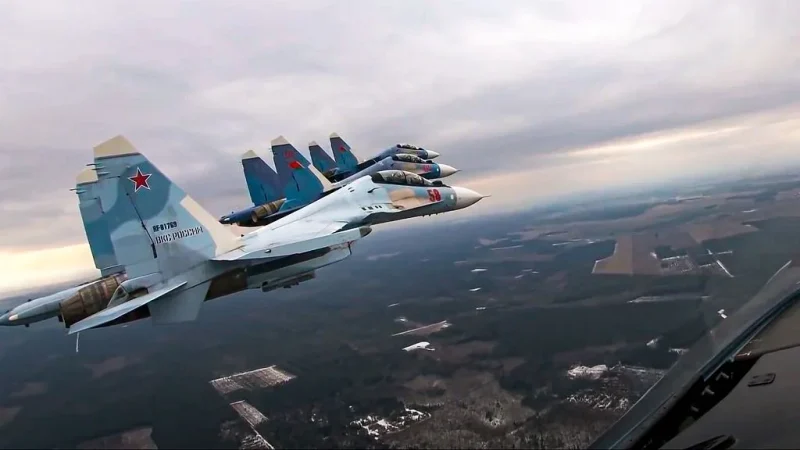
In Africa, ISIS and al-Qaida affiliates have surged, particularly in the Sahel, where instability has worsened as local governments increasingly turn to Russian security forces. The U.S. warns this trend could become a major long-term threat if left unchecked.
With Hezbollah and Hamas under strain, the U.S. anticipates that Iran may leverage its regional proxies for retaliatory actions against U.S. and Israeli interests. Iran’s support of groups like al-Qaida also remains a key concern, as does Tehran’s influence strategy, which U.S. officials have observed targeting U.S. political dynamics, including the recent election.
Holmgren affirmed the NCTC’s commitment to working with the incoming Trump administration to safeguard U.S. and allied interests against these evolving threats, ensuring a seamless transition for national security operations.