The United States has drastically reduced its financial support for Somalia, impacting the elite Danab special forces and various humanitarian and development initiatives previously funded through the U.S. Agency for International Development (USAID). This significant shift was confirmed by Somali Finance Minister Bihi Imaan Egeh during a parliamentary session on Wednesday.
The Danab brigade, which has been crucial in counter-terrorism efforts within Somalia, was established and maintained with substantial U.S. support. The unit’s capability to stabilize regions plagued by insurgency has been notably recognized. However, the sudden cessation of U.S. funding presents a dire challenge to the operational efficacy of this elite unit.
Minister Egeh elaborated on the broader implications of the funding cuts, noting that the loss extends beyond the military sector, affecting essential humanitarian and developmental programs that assist in sustaining the nation’s socio-economic stability. The finance ministry estimates a shortfall of approximately $1.5 billion annually due to these cuts, which Egeh described as part of a “global trend” of reduced foreign aid.
“This drastic reduction in funding necessitates an urgent shift in our financial strategy,” Egeh advised lawmakers. He stressed the importance of expediting tax reforms and optimizing the management of foreign aid to mitigate the impending economic strain.
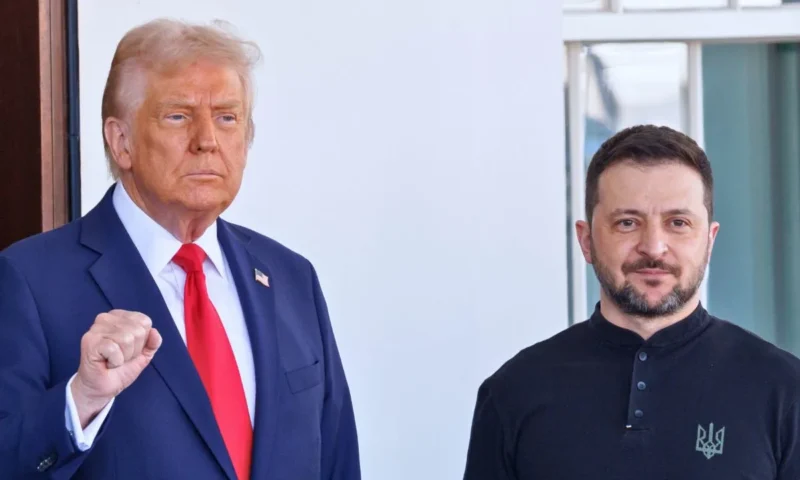
The funding cuts are aligned with a shift in priorities under the re-elected administration of President Donald Trump, signaling a pivot towards more domestically focused policies. The repercussions for Somalia are profound, as the government scrambles to identify alternative resources to support its military and developmental agendas amidst growing economic pressures.
This financial recalibration comes at a critical time for Somalia, as it continues to combat insurgency and seeks to bolster its governance and infrastructure. The withdrawal of U.S. support not only tests the resilience of Somalia’s security forces but also its broader capacity to sustain developmental progress in the face of dwindling international support.