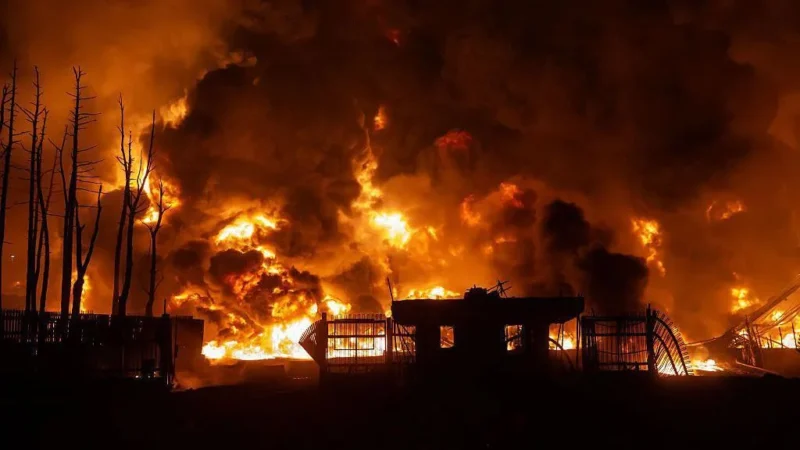
The recent control of the presidential palace in Khartoum by the Sudanese army represents a significant development in the ongoing conflict in Sudan, which began two years ago following disagreements over the integration of the paramilitary Rapid Support Forces (RSF) into the national military. This event highlights the intense power struggle and ongoing violence that has threatened to divide the nation.
The conflict between the Sudanese army and the RSF has deep roots, exacerbated by historical tensions and power dynamics within Sudan’s military and political spheres. Initially allies in the removal of Omar al-Bashir from power in 2019 and later against civilian leadership, the army and RSF’s relationship deteriorated over structural and command issues, with both groups vying for control and influence.
The seizure of the presidential palace is not just a tactical military gain but also a powerful symbol of the army reclaiming authority in Khartoum. This development could potentially shift the balance of power back to the central government if the army manages to maintain and capitalize on this momentum.
The conflict has precipitated one of the world’s largest humanitarian crises, as declared by the U.N., affecting millions across Sudan. The fighting has disrupted access to essential services and resources, compounding the suffering with famine and disease outbreaks across several regions.
Both the Sudanese army and the RSF have been accused of committing war crimes, with the RSF also facing allegations of genocide. These charges complicate the conflict, adding international pressure for accountability and complicating peace negotiations.
As the army attempts to consolidate more territory and push out the RSF, the likelihood of continued violence remains high. The conflict’s resolution is further complicated by the RSF’s control over significant territories, including parts of Darfur, and their efforts to establish a parallel government.
The reclamation of the presidential palace by the Sudanese army could be a turning point in the conflict. However, without a comprehensive strategy that includes diplomatic efforts and addresses the underlying issues driving the conflict, peace remains a distant prospect. International mediation and support will be crucial in helping Sudan navigate towards stability and democratic governance.