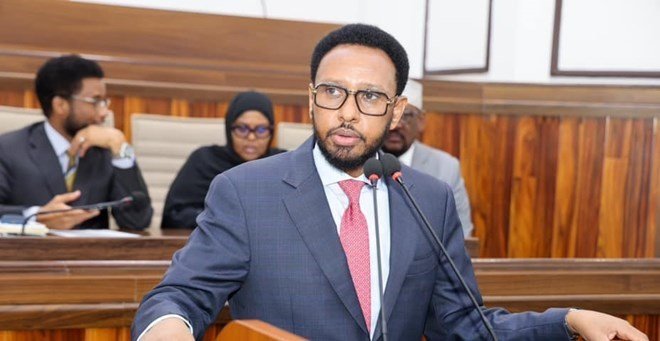
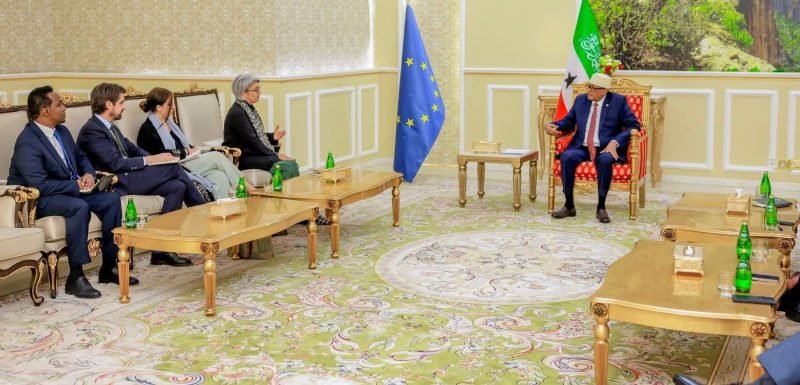
Somalia’s prime minister has taken the gloves off, accusing British MPs of meddling in Mogadishu’s fiercest fault line: Somaliland’s long‑running bid for independence. In a rare move, PM Hamza Abdi Barre didn’t merely issue a boilerplate protest—he publicly challenged the Somali diaspora to wield their votes and cajole their host governments into backing a unified Somalia.
On one level, Barre’s outburst signals raw anxiety in Mogadishu: after decades of chaos, the federal government finally has momentum behind its own state‑building—and it fears foreign recognition of rival Somaliland could fatally fracture the fragile unity it has struggled to restore.
Yet by zeroing in on UK parliamentarians—Gavin Williamson in the Commons, Lord Stuart Polak in the Lords—Barre also exposes an uncomfortable truth: the same diaspora communities that bankroll Somalia’s survival are increasingly their own political power brokers abroad. Remittances pour in at more than $1.3 billion a year, and diaspora‑driven NGOs and lobby groups have earned MPs’ attention on both sides of the recognition debate.
Barre’s challenge to “Where are you when MPs stand every day to declare Somalia should be divided?” is both daring and fraught. It risks deepening divisions among Somalis overseas, many of whom quietly back Somaliland’s separate path after three decades of peace in Hargeisa while Mogadishu still wrangles with Al‑Shabab.
It also reveals Mogadishu’s dilemma: its legitimacy at home remains shaky, yet it must vie for influence within democratic halls it does not inhabit.
UK MP Accuses Somalia of Supporting Terrorism, Calls for Somaliland Recognition
Expect a diplomatic shadow war in London and beyond. Somali officials will press their case behind the scenes—lobbying Labour backbenchers, courting cross‑party African diaspora caucuses, even warning of Chinese and Turkish interests lining up to exploit a divided Horn.
Pro‑Somaliland activists, meanwhile, will frame their cause as a human‑rights crusade, arguing that Hargeisa’s democracy deserves the same international embrace awarded to Taiwan or Kosovo.
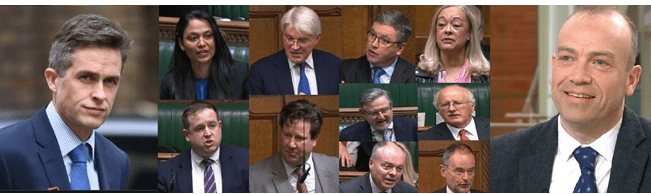
In practice, neither side can force immediate recognition or revocation. What matters now is narrative control. Mogadishu’s gambit—turning diaspora votes into geopolitical leverage—could deter some wavering MPs. But it could also embolden others who see federal threats as proof that Somaliland’s independence movement uniquely represents stability, not secession.
Ultimately, Barre’s broadside reveals that the battle for Somaliland’s future will be won or lost not just on the ground in Hargeisa or Mogadishu, but in the constituencies of London, Canberra, and Washington—where Somali communities lobby, vote, and decide which vision of Somalia they believe in.
As the 2026 universal‑suffrage elections loom, Mogadishu’s most pressing fight may be far from home.
Gavin Williamson’s Call for Somaliland Recognition and the Geopolitical Implications
Gavin Williamson: Trump Administration Signals Possible Recognition of Somaliland
UK Strengthens Ties with Somaliland to Combat Al-Shabaab Threats
MP Alexander Stafford Exposes: Somaliland Recognition on the Horizon
Somalia’s President Most Confusing Interview Yet: A Desperate Plea for American Taxpayer Dollars?