
Terrorism
New Intelligence Confirms Houthi Support to ISIS in Somalia


WARYATV Exclusive: The Terror Partnership No One Saw Coming.
Intelligence obtained exclusively by WARYATV reveals a dramatic escalation in regional security threats, as a new confidential report confirms that Yemeni Houthi forces have been providing direct military and technical assistance to ISIS militants operating in Somalia.
This emerging alliance—bridging a Middle Eastern insurgent movement and one of Africa’s most dangerous terrorist groups—marks a profound shift in the operational landscape of jihadist networks across the region.
According to the report, ISIS fighters in Somalia have received specialized training from Houthi operatives in areas such as intelligence gathering, drone construction, and the deployment of explosive-equipped unmanned aerial systems.
These capabilities have played a decisive role in ISIS’s ongoing insurgency in Puntland, where the group has waged a grinding war for more than a year without decisive defeat.
Security officials say the first major sign of this partnership surfaced early in the conflict, when ISIS began deploying small, weaponized drones—far more sophisticated than anything previously documented in Somalia.
These drones have killed and injured Puntland security personnel, destroyed military vehicles, and allowed ISIS to conduct persistent surveillance over troop positions.
The report concludes that such capabilities were “beyond the technical reach of ISIS prior to direct external assistance,” indicating a structured training pipeline.
WARYATV previously uncovered indications of covert cooperation between jihadist groups such as Al-Shabaab, Al-Qaeda, ISIS, and Yemeni Houthi factions.
The Secret Maritime Corridor Linking Yemen’s Houthis to Somalia’s Militants
The new intelligence confirms that these links have evolved into a more formalized partnership—one that risks shattering regional security balances and opening new fronts in the Horn of Africa.
The strategic danger is clear: a multi-national extremist ecosystem is emerging, able to transfer technology, expertise, and battlefield tactics across borders.
Such collaborations amplify the lethality of each group individually and create a resilient network capable of adapting to military pressure.
The growing concern has reached international military leadership. AFRICOM Commander Gen. Dagvin Anderson—who recently toured Ethiopia, Somaliland, and Puntland—issued his own warning.
The United States, he said, is increasingly alarmed by the security trajectory in the Horn of Africa and views strengthened cooperation with Somali security forces as essential to countering shared threats.
General Anderson emphasized that AFRICOM intends to deepen intelligence coordination and counterterrorism support, highlighting the need for regional governments to unify against emerging hybrid militant alliances.
The confidential report’s conclusion is stark: if the Houthi–ISIS operational pipeline is not disrupted, the Horn of Africa could face the most technologically capable and internationally networked terrorist threat in its modern history.
US Deepens Security Ties with Puntland in Counter-ISIS Campaign
AFRICOM Chief Reports Surge in Islamic State Fighters in Northern Somalia
















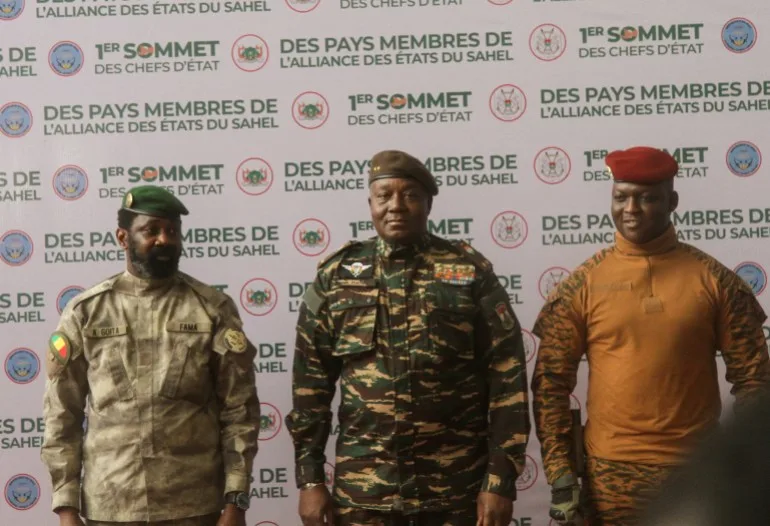
ECOWAS Plans 2,000-Troop Deployment by 2026 as Sahel Violence Spreads Toward Coastal States.
Thousands dead. Borders collapsing. Can a regional army stop West Africa’s spiraling insurgency?
West African leaders have agreed to activate the ECOWAS Standby Force (ESF) in response to escalating cross-border violence that has killed thousands and displaced hundreds of thousands across the Sahel and coastal states.
Military chiefs from the Economic Community of West African States met in Sierra Leone last week and endorsed a plan to mobilize an initial 2,000 troops by the end of 2026. The force is expected to target armed groups linked to al-Qaeda and ISIL that are expanding operations from Mali, Niger and Burkina Faso into Nigeria, Benin and Togo.
The Sahel has become one of the world’s deadliest conflict zones. Armed factions such as Jama’at Nusrat al-Islam wal-Muslimin (JNIM) and ISIL-affiliated groups have attacked military outposts, blocked fuel routes and even struck urban targets, including Niger’s capital earlier this year. According to regional monitors, nearly 13,000 conflict-related deaths were recorded in just the first half of 2025.
The ECOWAS Standby Force — previously known as ECOMOG — has a long history of intervention, including in Liberia, Sierra Leone, Côte d’Ivoire and The Gambia. Nigeria and Ghana traditionally provide the largest contingents. Unlike typical UN missions, past ECOWAS deployments have engaged directly in combat.
But this new mission presents tougher challenges.
First, funding. Nigeria — historically the bloc’s backbone — faces domestic economic strain and multiple internal security crises. Its military is already stretched combating insurgents in the northeast and armed gangs in other regions.
Second, politics. Mali, Niger and Burkina Faso formally exited ECOWAS in 2025 to form the Alliance of Sahel States (AES) after disputes over sanctions and election timelines. Those three states sit at the epicenter of the insurgency and have turned to Russian security partnerships instead.
Without coordination with the AES, cross-border operations could prove difficult. Analysts warn that intelligence-sharing and joint patrols may be limited unless political tensions ease.
Security experts also stress that military force alone will not suffice. Armed groups often win local support by offering services, protection or economic incentives in neglected rural areas. Without parallel social and governance reforms, recruitment pipelines may continue.
The decision to activate the standby force signals that West African leaders now view the crisis as existential. Whether 2,000 troops — in a region spanning thousands of miles — can reverse the insurgents’ momentum remains an open question.
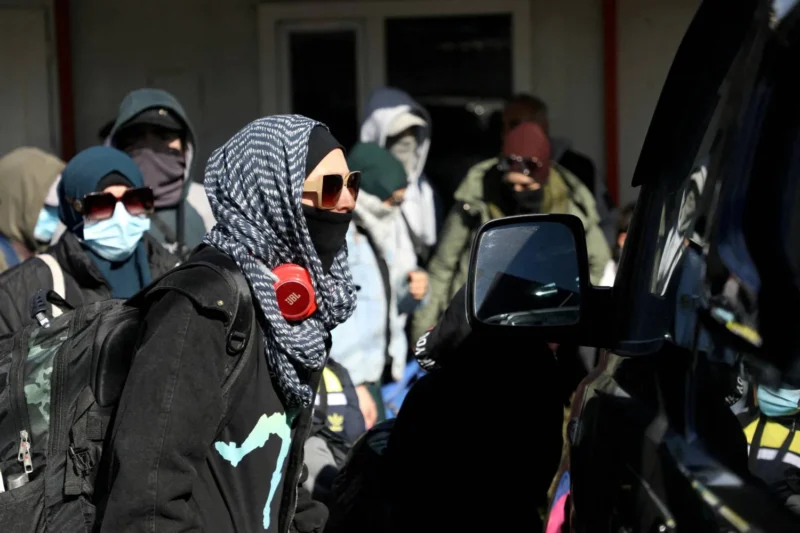
A reported repatriation deal sparks political tension in Canberra — but the government says it’s not happening.
Australia’s government has denied reports that it is preparing to repatriate 34 Australian women and children linked to suspected ISIS militants from a detention camp in northern Syria.
Home Affairs Minister Tony Burke on Sunday rejected a claim published in the Sunday Telegraph that Canberra was conducting preparations for their return.
“In that report, it makes a claim that we are conducting a repatriation. We are not,” Burke told the Australian Broadcasting Corporation. He also denied that the federal government had been coordinating with state authorities to manage the group’s arrival.
The individuals — 34 women and children — were briefly released from the Syrian camp last week but returned to detention for what officials described as technical reasons. Reports suggested they could travel to Damascus before eventually returning to Australia.
Prime Minister Anthony Albanese, leader of the center-left Labor government, said earlier this week that his administration would not facilitate the group’s return.
The issue remains politically charged. The repatriation of relatives of suspected ISIS fighters has long divided Australian lawmakers, with critics arguing it poses security risks. The debate has intensified amid rising support for the anti-immigration One Nation party led by Pauline Hanson.
Australia has previously repatriated small groups of women and children from Syrian camps, insisting that monitored returns are safer than leaving citizens in unstable conditions abroad.
For now, however, Canberra is drawing a clear line: no active repatriation effort is underway.

Militant Group Accuses Victims of Spying as Executions in Middle Juba and Lower Shabelle Mark One of Largest Single-Day Killings.
Ten men shot dead in public squares. Residents forced to watch. Al-Shabaab sends a message at the start of Ramadan.
Al-Shabaab has publicly executed 10 men it accused of spying for the Federal Government of Somalia and foreign states, in what appears to be one of the group’s largest single-day executions in recent years.
The killings took place Friday in two separate incidents in southern Somalia. In Bu’aale, a stronghold in Middle Juba region, five men were shot by a firing squad in an open area after what the group described as a ruling by its sharia court. Local residents were ordered to gather and witness the executions.
Eyewitnesses said the men were killed at close range and their bodies left on display for hours under the sun before being buried later by the militants.
On the same day, five more men were executed in Kunyo-Barrow in Lower Shabelle region. Residents of the agricultural town were similarly summoned to watch.
Al-Shabaab claimed its court had convicted the men of espionage. All those executed were Somali nationals. The group has repeatedly accused detainees of aiding government forces or facilitating drone strikes in areas under its control.
Sources say Al-Shabaab often detains individuals pulled from passenger vehicles, especially those suspected of having family ties to Somali security forces or government officials.
Trials in Al-Shabaab-controlled territory are conducted behind closed doors. There is no access to independent legal representation, and journalists are barred from reporting inside areas held by the group, which is affiliated with Al-Qaeda.
The executions, carried out at the beginning of the holy month of Ramadan, are widely seen as a show of force aimed at deterring dissent and reinforcing the group’s grip on communities under its control.
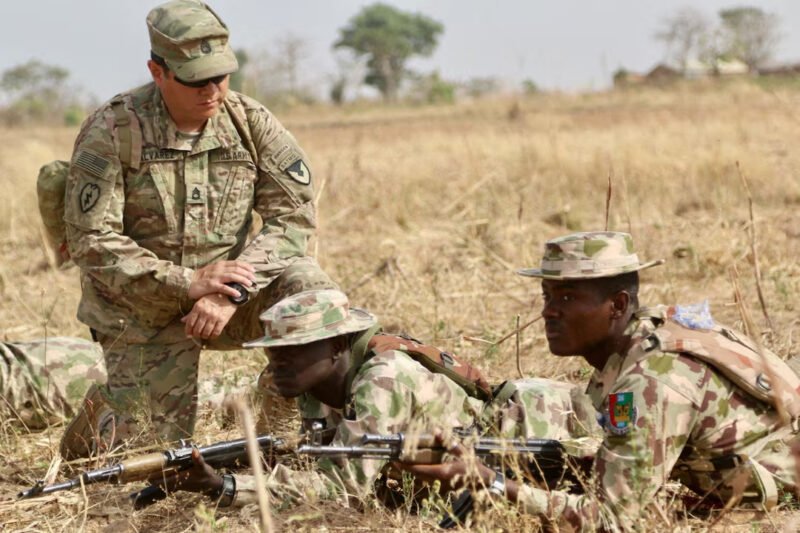
More U.S. boots on Nigerian soil — but not for combat. Washington deepens its security role in West Africa.
About 100 additional U.S. military personnel have arrived in Nigeria as Washington expands its support for the country’s campaign against insurgent groups, Nigerian defense officials confirmed.
Major General Samaila Uba, spokesperson for Nigeria’s Defense Headquarters, said the American troops will focus on training and advising Nigerian forces and enhancing intelligence capabilities. He stressed that the U.S. personnel will not participate directly in combat operations.
The deployment follows U.S. strikes in December targeting ISIS-linked militants and comes amid increased coordination between Abuja and the administration of Donald Trump. Trump has criticized Nigeria’s handling of extremist violence, accusing authorities of failing to protect Christian communities in parts of the northwest.
Nigeria has rejected those claims, maintaining that its security forces target armed groups regardless of religion. The country, Africa’s most populous with roughly 240 million people, is almost evenly divided between Muslims, predominantly in the north, and Christians, largely in the south.
Flight tracking data reviewed by Reuters showed multiple aircraft transporting U.S. personnel and equipment into northern Nigerian states in recent days. Earlier this month, Nigeria’s military indicated that up to 200 additional U.S. troops could arrive.
Presidential spokesperson Sunday Dare said Nigeria requires “massive support” from the United States, including fighter jets and munitions, though he did not specify numbers or timelines.
Nigeria continues to face significant security challenges from extremist organizations and armed groups operating across its northern regions. The expanded U.S. presence underscores growing international involvement in stabilizing a region that remains critical to West African security.

The U.S. Is Leaving Somalia, Not the Horn: Why Washington Is Repositioning Its War on Terror.
The United States is repositioning in the Horn of Africa, and the distinction matters. Washington is drawing down its presence in Somalia, but it is not disengaging from the region. Instead, it is relocating the architecture of its counterterrorism campaign to more stable ground, with Kenya emerging as the new operational anchor.
This shift reflects a hardening assessment in Washington that Somalia’s federal institutions are no longer a reliable platform for sustained security cooperation. Relations have deteriorated sharply since the U.S. president publicly questioned the existence of a functioning Somali government. That remark was not rhetorical excess; it was a policy signal. Confidence in Mogadishu’s ability to secure territory, protect partners, and manage sensitive operations has eroded.
The $70 million expansion of the Manda Bay Air Base in Kenya makes that recalibration explicit. Situated near the Somali border, Manda Bay allows the United States to project force, gather intelligence, and strike al-Shabaab targets without being entangled in Somalia’s internal political paralysis. Geography offers proximity. Governance offers predictability.
For Washington, this is about risk management. The attack on Camp Simba in 2020, which killed three Americans, underscored that even fortified positions inside Kenya are vulnerable. But Somalia presents deeper structural risks: fragmented authority, infiltration, and political volatility that complicate long-term basing and force protection. Relocating the operational hub reduces exposure while preserving reach.
Kenya also offers something Somalia currently cannot: a partner state capable of absorbing expanded U.S. presence without destabilizing its internal politics. Nairobi’s willingness to host U.S. forces, deepen intelligence cooperation, and position itself as a regional security pillar aligns with Washington’s preference for durable, state-centric partnerships. The previous administration’s move to elevate Kenya toward major non-NATO ally status signaled that trajectory long before the current base expansion.
The message to adversaries is deliberate. Al-Shabaab is being told that an American drawdown from Somalia does not equal retreat. Air power, surveillance, and special operations can still be launched quickly and with fewer political constraints. The Horn remains under watch, even if the flag is flying from a different runway.
There is also a broader regional logic at work. The Horn of Africa sits at the intersection of Red Sea security, Gulf rivalries, and great-power competition. Washington’s repositioning reflects an understanding that counterterrorism cannot be divorced from maritime security, regional alliances, and crisis response beyond Somalia’s borders. Kenya provides a platform that connects all three.
At the same time, the shift carries consequences for Somalia. Reduced U.S. presence limits Mogadishu’s access to direct military support and diplomatic leverage. It places greater responsibility on Somali forces and regional actors, while quietly signaling that international patience with chronic dysfunction is wearing thin.
This is not abandonment. U.S. strikes, intelligence sharing, and limited engagement will continue. But the center of gravity has moved. Washington is choosing flexibility over immersion, proximity over presence, and regional management over state-building experiments that have delivered diminishing returns.
The United States is not leaving the fight in the Horn of Africa. It is simply choosing where to fight it from.
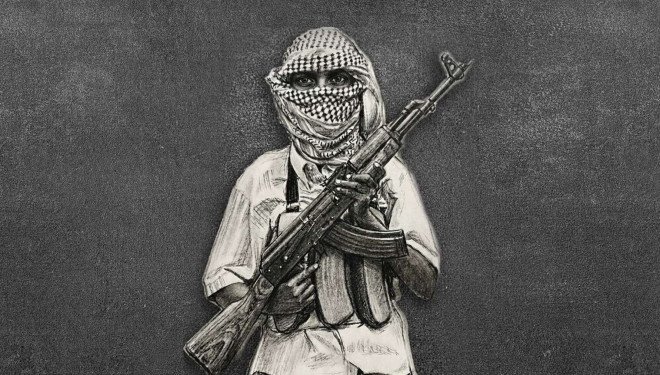
The $1 Million Signal: Why Washington Is Raising the Stakes in Kismayo.
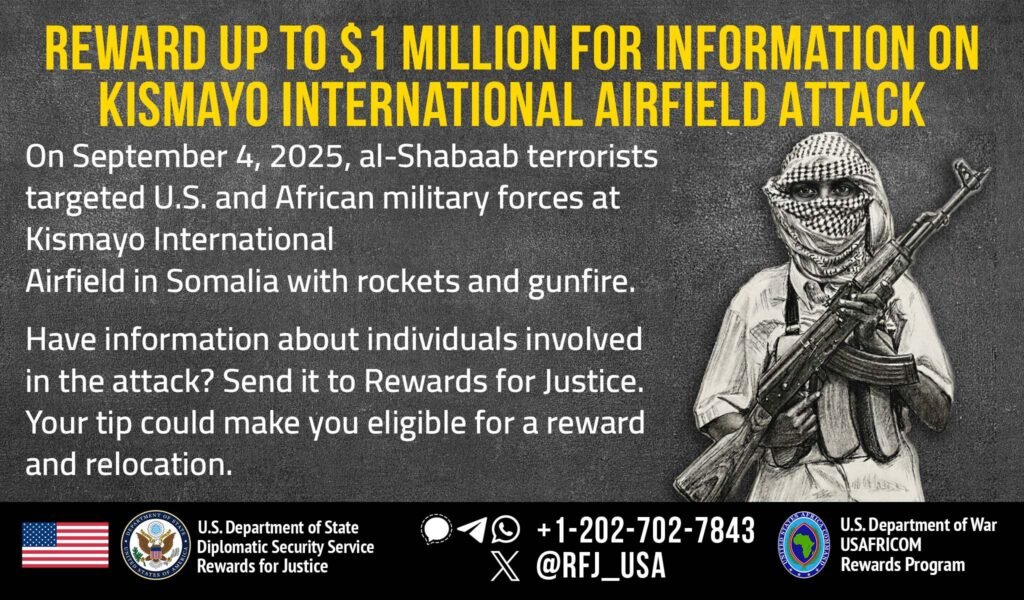
The United States’ decision to offer a $1 million reward for information on the al-Shabab attack at Kismayo International Airport is less about the rockets that landed — and more about the message they sent.
The attack itself caused no casualties and inflicted no damage on U.S. facilities. But in counterterrorism logic, restraint is not reassurance. For Washington, the assault underscored a deeper concern: al-Shabab’s continued ability to probe hardened targets, test defenses, and remind both local populations and international actors that it remains operationally relevant.
Kismayo is not just another airport. It is a strategic node in Somalia’s fragmented security architecture — hosting U.S. forces, elite Somali Danab units, Jubbaland forces, and African partners. It also sits at the intersection of regional politics, port economics, and counterterrorism campaigns. Any attack there is designed less to win a battle than to shape perceptions.
The $1 million reward, issued through the Rewards for Justice program, reflects a shift in emphasis from battlefield attrition to intelligence disruption. Rather than responding with visible escalation — airstrikes, troop surges, or public threats — Washington is betting on fragmentation from within. Rewards destabilize militant networks by injecting suspicion, incentivizing defections, and forcing operatives to operate under constant fear of betrayal.
This approach also signals Washington’s assessment of the current phase of the Somali conflict. Al-Shabab is no longer trying to seize major cities outright. Instead, it is playing a long game of erosion: indirect fire attacks, assassinations, and symbolic strikes meant to exhaust the state, intimidate civilians, and undermine confidence in international partners.
The U.S. response suggests a recognition that Somalia’s war is increasingly intelligence-centric. Precision now matters more than spectacle. A single informant, correctly placed, can collapse a network faster than weeks of kinetic operations.
There is also a regional subtext. As global attention shifts toward Ukraine, Gaza, and the Indo-Pacific, Washington is signaling that Somalia remains a live counterterrorism theater — not a legacy mission drifting on autopilot. The reward announcement reinforces the idea that U.S. forces in Somalia are not merely advising from the margins, but remain protected assets whose targeting carries consequences.
For al-Shabab, the danger is not the money itself, but what it represents: an open invitation for internal leakage. Every logistics runner, every facilitator, every sympathizer now carries a price tag — and a risk.
For Somalia’s federal and regional authorities, the message is sharper still. Counterterrorism is no longer just about holding territory. It is about information dominance, financial tracing, and dismantling the human infrastructure that sustains insurgency.
Kismayo was meant to be a warning shot. Washington’s response makes clear it heard it — and answered in a language insurgent networks fear most: incentives, exposure, and internal collapse.

Puntland Arrests Dozens of Foreign Islamic State Fighters in Major Counterterrorism Offensive.
Puntland’s latest counterterrorism operation has delivered one of the clearest intelligence victories against Islamic State in Somalia in years — and it exposes the group’s deeply international character.
Security forces in the autonomous federal state announced the capture of between 30 and 50 foreign ISIS fighters during Operation Hilaac in the Al-Miskaad mountains, a long-standing militant sanctuary in the Bari region. The detainees include nationals from Turkey, Saudi Arabia, Morocco, Ethiopia, Yemen and Tanzania — a striking reminder that ISIS in Somalia is not a local insurgency, but a transnational project embedded in global extremist networks.
According to Puntland Counter-Terrorism Operations officials, the arrests were carried out with aerial and technical support from the United States Africa Command (AFRICOM) and the United Arab Emirates, underscoring the growing role of international partners in Horn of Africa security operations. Puntland authorities say their forces have now cleared roughly 98 percent of the Al-Miskaad range, pushing ISIS remnants toward the Golis mountains.
The symbolism matters. For years, Al-Miskaad’s caves and rugged terrain allowed ISIS-Somalia to operate as a logistics hub, recruitment center, and training ground — particularly for foreign fighters seeking a foothold in East Africa after pressure mounted in the Middle East. This operation disrupts that pipeline.
The public release of names and nationalities is also a political signal. Puntland is framing the fight not just as a Somali security issue, but as part of a wider international counterterrorism effort — placing pressure on regional and foreign governments to confront how their citizens end up fueling extremist violence abroad.
Strategically, the offensive strengthens Puntland’s standing as a capable security actor at a time when Somalia’s federal system remains fragmented and external threats persist. It also complicates ISIS’s narrative: the image of a “local jihad” collapses when dozens of foreign fighters are paraded before cameras.
Operation Hilaac is not the end of ISIS in Somalia — but it marks a decisive blow to its foreign backbone.
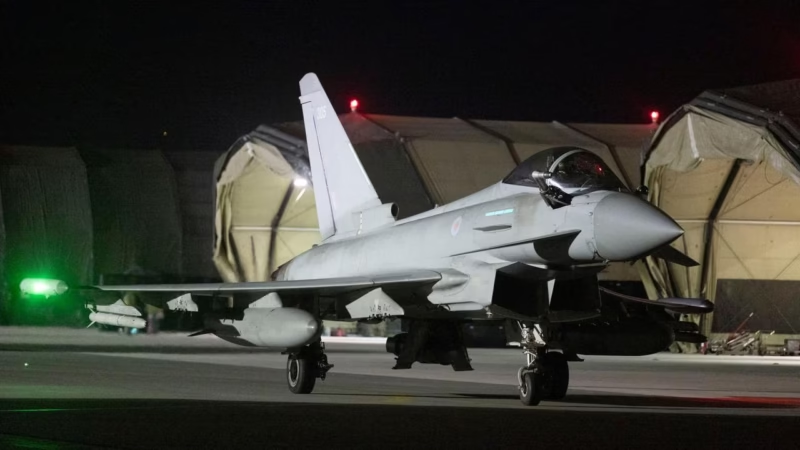
ALLIES STRIKE BACK: UK– UK and France Carry Out Joint Airstrike on Suspected ISIS Weapons Facility in Central Syria.
The United Kingdom and France have carried out a coordinated airstrike on a suspected Islamic State weapons complex in central Syria, signaling that Western powers are once again prepared to use force to prevent ISIS from exploiting regional chaos.
According to the UK Ministry of Defence, Royal Air Force Typhoon FGR4 jets, operating alongside French aircraft, struck an underground facility north of Palmyra on Saturday evening. The target, buried in the rugged terrain of Syria’s Homs province, was believed to be used by ISIS to store weapons and explosives. Precision-guided Paveway IV bombs were used to collapse access tunnels, with British Voyager tankers supporting the operation in midair.
Initial battle damage assessments suggest the strike was successful, though full confirmation is still pending.
The timing matters. The operation comes amid heightened U.S. military activity in Syria and reflects growing concern that ISIS is quietly regenerating in the vacuum created by fractured Syrian authority, Iranian repositioning, and shifting U.S. priorities across the Middle East.
UK Defence Secretary Sir John Healey framed the strike as a clear message: Britain will not allow ISIS to resurface. “This operation demonstrates our determination to prevent any resurgence of Islamic State and to stand shoulder to shoulder with our allies,” he said, underscoring London’s commitment to the U.S.-led Global Coalition to Defeat ISIS.
That coalition may no longer dominate headlines, but it is far from dormant. U.S. Central Command has repeatedly warned that ISIS remains an “active and persistent threat,” particularly in central and eastern Syria. In December, U.S. forces launched large-scale strikes across the same region after an ISIS ambush near Palmyra killed two American troops and a civilian interpreter.
The Palmyra corridor has become a familiar flashpoint. Once a symbol of ISIS’s brutal rise, the area now serves as a reminder of how easily extremist groups can reconstitute when state control weakens and international attention drifts.
This latest strike also reflects a broader Western recalibration. With Washington simultaneously escalating pressure on Iran, reshaping its posture in Syria, and signaling a harder line across multiple theaters, European allies appear determined not to be sidelined. The UK–France operation reinforces a message of alignment: counterterrorism remains a shared priority, even as global focus shifts to great-power competition.
For ISIS, the implication is blunt. The group may be quieter, more fragmented, and less territorial than at its peak—but it is still being watched, tracked, and hit.
For Syria, the reality is harsher. Nearly a decade after ISIS’s defeat as a “state,” the country remains a battlefield where foreign airpower can strike at will, and where stability is still fragile enough to allow extremist cells to survive underground.
The war against ISIS, it seems, never truly ended. It merely went subterranean.

War Enters Dangerous New Phase as Oil Surges, Alliances Strain

Beyond the Bombs: The Real War Is Radicalism vs. Stability

Ukraine’s War Expertise Becomes Gulf’s Shield


-
 Terrorism2 months ago
America Pulls Back From Somalia but Doubles Down Next Door
-

 Top stories2 months ago
Rubio Signals Preemptive Military Option as U.S. Tightens Pressure on Iran
-

 Analysis2 months ago
How Chinese Speculators Set the Stage for the Gold and Silver Crash
-
 Russia-Ukraine War1 month ago
Russian General Boasted of Torture and Killing of Ukrainian Prisoners
-

 US-Israel war on Iran1 month ago
UK Refuses Iran Strike Access, Trump Fires Back
-
 Russia-Ukraine War1 month ago
Europe’s Spies Challenge Trump’s Ukraine Peace Optimism
-
 Top stories4 weeks ago
War Expands Across Region as Iranian Militias Join Fight
-

 US-Israel war on Iran4 weeks ago
Iran Pledges ‘Never, Ever’ to Hold Bomb-Grade Material