
Negotiations in the Shadows
Talking to Terror: Somalia’s Unspoken Option

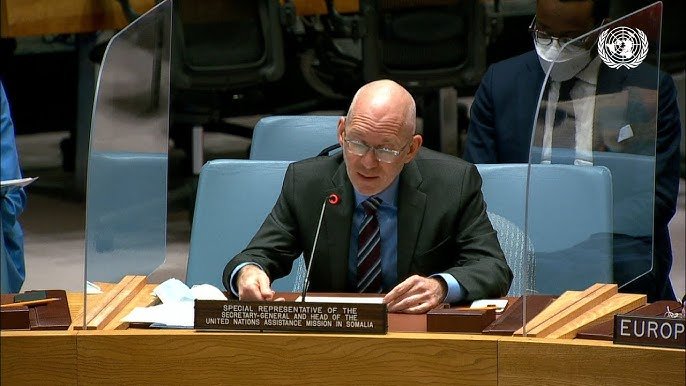
War has stalled. Victory hasn’t arrived. And quietly, an unthinkable question is being asked: what if Somalia talks to Al-Shabaab?
For years, rumors of negotiations between Somalia’s federal government and Al-Shabaab circulated as whispers—dismissed publicly, explored privately. That boundary is eroding. What was once taboo has entered the realm of serious, if discreet, consideration, discussed less in Mogadishu than in foreign capitals weighing Somalia’s long-term trajectory.
On the battlefield, little has changed. Clashes continue, territory shifts marginally, and neither side delivers a decisive blow. But alongside this stalemate, a parallel process has taken shape: indirect contacts, intelligence probes, and diplomatic feelers aimed not at immediate peace, but at testing whether dialogue is even conceivable. These efforts are neither confirmed nor denied, yet they persist—driven by external actors who see Somalia locked in a war that consumes resources without producing outcomes.
The Somali state enters any hypothetical negotiation with international legitimacy, diplomatic recognition, and access to global financial and military support. It alone can confer political legitimacy—something Al-Shabaab ultimately seeks. Yet the government also carries structural weaknesses: fragmented authority, limited territorial control, and dependence on external partners who increasingly question whether a purely military solution still exists.
Al-Shabaab, by contrast, holds a different kind of leverage. It controls territory, commands a disciplined and centralized organization, and runs a parallel economy sustained through taxation and coercion. It has proven resilient, adaptive, and deeply embedded in local realities. Crucially, it possesses the ability to either prolong war indefinitely or, if it chose, dramatically alter the security landscape. That power makes it impossible to ignore.
What each side wants, however, goes beyond a ceasefire. The government seeks political breathing room—space to stabilize institutions, manage internal rivals, and pursue elections without constant insecurity. For Al-Shabaab, the prize is legitimacy: an exit from permanent outlaw status into recognized political relevance. Yet the group fears peace almost as much as war. Negotiations risk internal fractures, ideological dilution, and a repeat of history—co-optation followed by marginalization.
International actors, according to diplomatic sources, have quietly explored these fault lines for years. Their approach is slow, cautious, and detached from Somali public sentiment. This is strategy, not urgency. Intentions are tested, not declared.
The risks are immense. A deal could unlock roads, revive trade, and consolidate authority. It could also allow extremist ideology to seep into institutions, reshaping the state from within. Economically, no settlement can survive unless the parallel systems—aid-dependent governance and insurgent taxation—are reconciled.
Somalia stands at a crossroads where war no longer delivers answers, and peace demands swallowing something bitter. Negotiating with terror is a poison. But endless conflict has already proven lethal. The question is no longer whether the idea is offensive—but whether refusing it condemns Somalia to a war without an end.



















Defense Secretary Hegseth Forces Out Army Chief

Bridges Fall, Missiles Rise—War Enters a More Destructive Phase

Iran Executes 18-Year-Old Protester


-

 US-Israel war on Iran1 month ago
UK Refuses Iran Strike Access, Trump Fires Back
-
 Russia-Ukraine War1 month ago
Europe’s Spies Challenge Trump’s Ukraine Peace Optimism
-
 Top stories1 month ago
War Expands Across Region as Iranian Militias Join Fight
-
 Top stories1 month ago
India Turns to Brazil in Strategic Minerals Push Against China
-
 US-Israel war on Iran1 month ago
Iran Pledges ‘Never, Ever’ to Hold Bomb-Grade Material
-
 US-Israel war on Iran1 month ago
Syria Under Fire on Two Fronts
-
 Russia-Ukraine War1 month ago
Estonia Warns NATO Would Strike Deep Inside Russia if Baltics Are Invaded
-

 Top stories3 weeks ago
Meloni Breaks Ranks: Italy Warns on Iran War