Somalia–US Relations Hit Low Point as Washington Pauses Aid Over WFP Warehouse Dispute.
Relations between Somalia and the United States have sunk to one of their lowest points in years after Washington announced it was pausing government-benefiting assistance to Mogadishu, citing allegations of aid misuse linked to a demolished World Food Programme (WFP) warehouse.
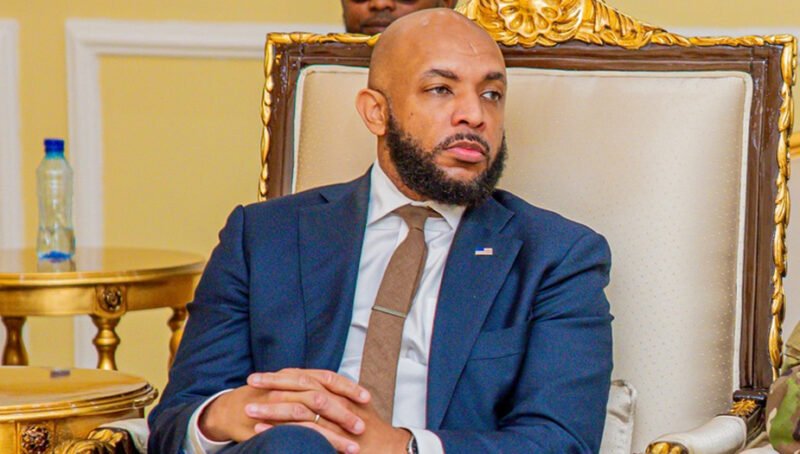
The trigger was a blunt statement from the U.S. State Department’s under secretary for foreign assistance, who accused Somali officials of destroying a U.S.-funded WFP warehouse and illegally seizing donor-funded food meant for vulnerable Somalis. The administration said the move reflected its “zero-tolerance” approach to waste, diversion and theft of humanitarian aid.
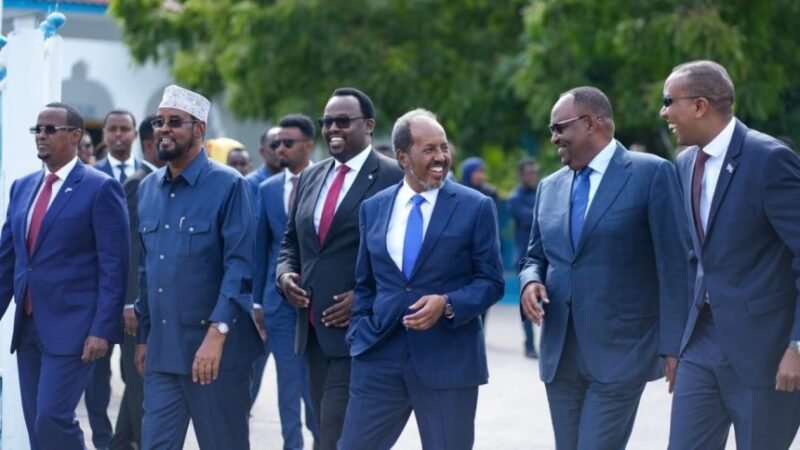
Somali authorities pushed back quickly. The Ministry of Foreign Affairs denied that aid had been stolen, insisting the food remained under WFP custody and that the warehouse demolition was part of port redevelopment works that did not affect humanitarian operations. Documents seen by Reuters appear to confirm that 75 metric tons of nutritional supplies were transferred to another warehouse and formally handed back to WFP, pending lab tests to confirm the food’s safety.
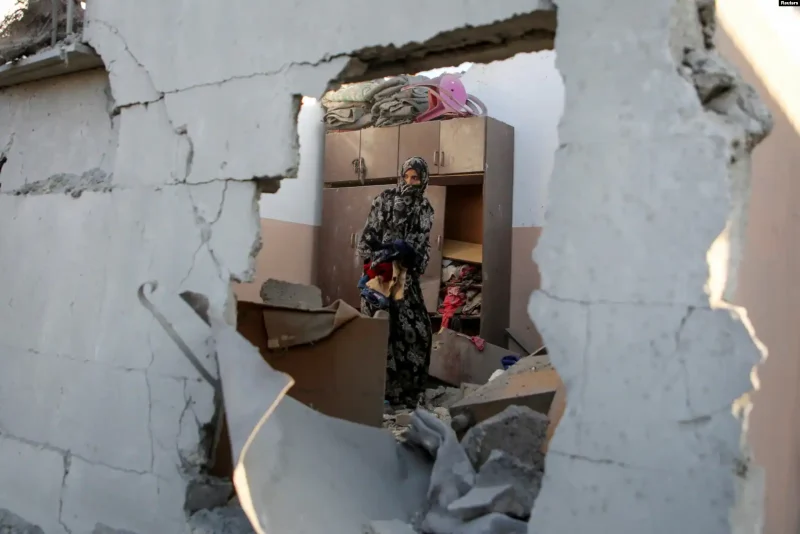
WFP itself struck a careful tone, acknowledging that the warehouse had been demolished but saying it was working with Somali authorities to secure alternative storage. The agency stressed that the food — designed for malnourished pregnant women, nursing mothers and young children — is critical at a time when roughly 4.4 million Somalis face crisis-level hunger or worse.
Still, Washington remains unconvinced. U.S. officials said investigations into possible diversion and misuse are ongoing and made clear that any resumption of aid would depend on Somali authorities taking accountability and corrective steps.
The dispute lands amid a broader chill in relations. Under President Donald Trump’s second term, the U.S. has hardened its stance toward Somalia, tightening immigration restrictions, auditing citizenship cases involving Somali-Americans, and repeatedly highlighting fraud cases linked to nonprofit groups in Minnesota’s Somali community. At the same time, the administration has sharply cut foreign aid globally, pivoting U.S. policy in Africa away from assistance and toward trade.
For Mogadishu, the aid pause is more than a bureaucratic dispute. It exposes how fragile Somalia’s international standing remains — and how quickly humanitarian issues can spill into strategic fallout at a moment when the government is already under pressure from security challenges, diplomatic setbacks, and declining Western patience.