
US-Israel war on Iran
Ceasefire Near Collapse as Israel Strikes Lebanon and Iran Disrupts Oil Flow

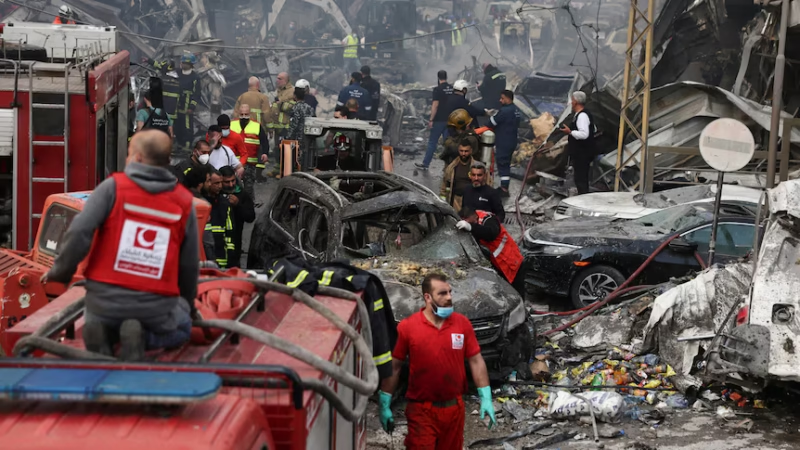
Different deals. Different rules. The ceasefire is already unraveling—and the stakes are rising fast.
Less than 24 hours after it was announced, the U.S.-Iran ceasefire is showing signs of collapse—undermined by conflicting interpretations, continued military operations, and renewed pressure on global energy flows.
At the center of the breakdown is a fundamental disagreement: what exactly was agreed. Benjamin Netanyahu has insisted the truce does not apply to Lebanon, while Iran and Pakistan maintain it does. That gap has already translated into action. Israeli forces launched their heaviest strikes of the war on Lebanon, hitting more than 100 targets and causing significant casualties.
Washington appears to back Israel’s interpretation. Donald Trump described Lebanon as a “separate skirmish,” effectively narrowing the ceasefire’s scope. Vice President JD Vance framed the discrepancy as a “legitimate misunderstanding”—a diplomatic understatement masking a structural flaw in the agreement itself.
Iran has responded by tightening its leverage. Reports indicate that oil tankers attempting to pass through the Strait of Hormuz have been halted following what Tehran calls Israeli violations. Even where traffic continues, it does so under strict Iranian control—requiring approval and reportedly subject to steep transit fees. The result is not an open waterway, but a controlled corridor.
This has immediate global consequences. Oil markets, which briefly stabilized after the ceasefire announcement, now face renewed uncertainty. Hundreds of vessels remain stranded or delayed, while insurers hesitate to greenlight passage through a chokepoint that remains politically contested and operationally constrained.
On the ground, the conflict is fragmenting rather than ending. Iran-linked forces continue to project pressure across the region, while Israel intensifies operations against Hezbollah. Gulf states, meanwhile, remain exposed—absorbing attacks despite not being direct parties to the ceasefire.
Politically, the fallout is accelerating. In Israel, opposition leader Yair Lapid has labeled the outcome a “diplomatic disaster,” arguing that the war halted short of its stated objectives. In Tehran, officials are portraying the ceasefire as a forced concession by Washington, reinforcing domestic narratives of resilience.
Even within the United States, inconsistencies are emerging. Conflicting descriptions of the agreement—from a “workable” Iranian proposal to a separate U.S. framework—have raised questions about coherence and strategy at a critical moment.
What emerges is not a failed ceasefire—but an incomplete one.
It lacks shared definitions, enforceable mechanisms, and alignment among key actors. In that vacuum, each side is advancing its own interpretation, turning the truce into a contested space rather than a stabilizing agreement.
The result is a dangerous paradox: diplomacy has begun, but the war continues—just in different forms.
And unless those contradictions are resolved quickly, the ceasefire may not collapse dramatically. It may simply erode—until escalation resumes as the only remaining language both sides understand.

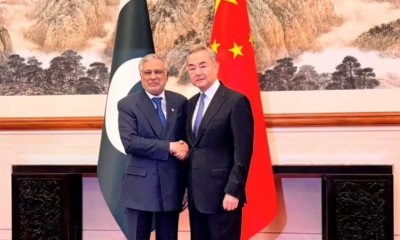












Same threat. Different strategy. The Gulf’s two powerhouses are no longer thinking alike.
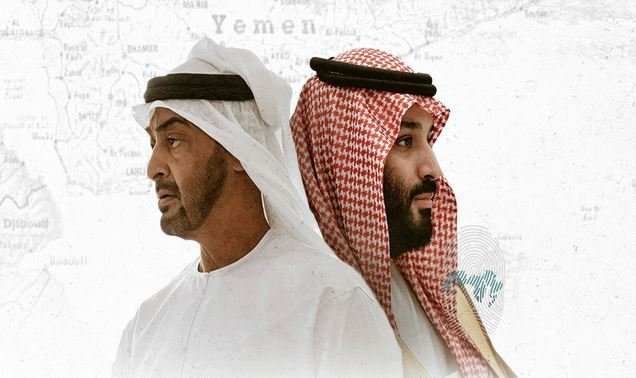
The ceasefire may have unified the Gulf in public—but beneath the surface, a strategic divide is emerging between its two most powerful states: Saudi Arabia and United Arab Emirates.
Both governments condemn Iranian attacks and support reopening the Strait of Hormuz without restrictions. Both insist the current pause in fighting is only a first step. But their visions for what comes next—and how to get there—are beginning to diverge.
Riyadh is playing a longer, more cautious game. Its priority is stability—protecting oil revenues and safeguarding Vision 2030, the economic transformation plan that depends on predictable markets and investor confidence. For Saudi leadership, the risk is not just Iran’s aggression, but the consequences of its collapse. A destabilized Iran could trigger regional chaos, something Riyadh appears determined to avoid.
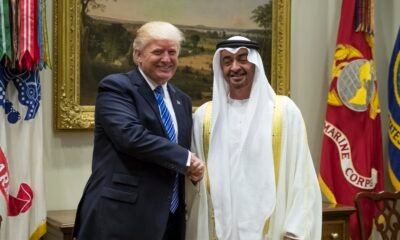
The United Arab Emirates, by contrast, is signaling far less patience. Having absorbed some of the most direct attacks during the conflict, Abu Dhabi is pushing for a decisive and enforceable outcome. Its leadership is clear: a ceasefire that leaves Iran’s missile, drone, and nuclear capabilities intact is not a solution—it is a delay.
This difference in tone reflects deeper strategic instincts. Saudi Arabia is hedging—seeking to contain Iran while preserving diplomatic flexibility. The UAE is pressing for resolution—favoring stronger deterrence, tighter security frameworks, and potentially deeper alignment with Washington and Israel if required.
The gap is subtle, but significant. Riyadh fears escalation; Abu Dhabi fears stagnation.
For now, Gulf unity holds. Both countries remain aligned on key principles: freedom of navigation, rejection of Iranian coercion, and the need for a broader settlement. But as negotiations unfold, these differences could shape how the region engages with any final deal—and how much pressure is applied on Tehran.
The ceasefire has paused the conflict. It has not aligned the strategy.
And in the Gulf, that distinction may prove decisive.
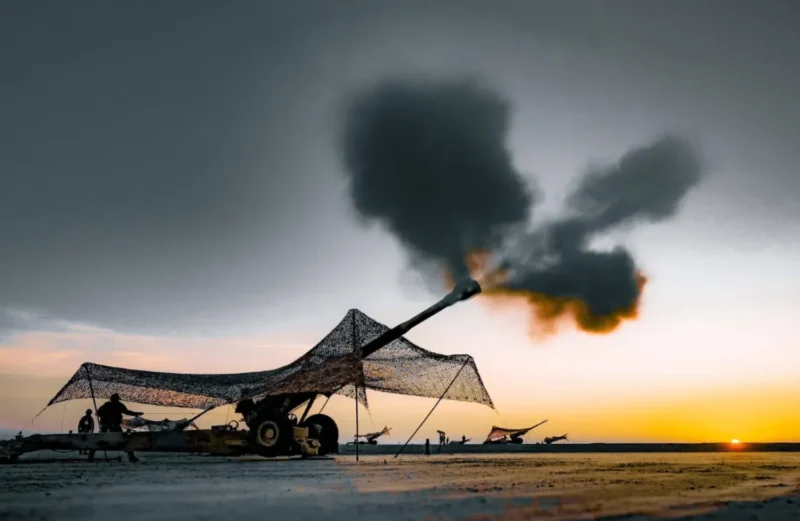
The ceasefire was announced—but the missiles didn’t stop. The war may be entering a more dangerous phase.
The two-week ceasefire between Iran, the United States, and Israel is already under severe strain, as Iranian missile and drone attacks on Gulf states continue—undermining confidence in the agreement and exposing its fragility.
Despite the truce, Iran launched dozens of strikes across the region, targeting Kuwait, Bahrain, United Arab Emirates, and Qatar. Air defenses intercepted large portions of the attacks, but damage to energy infrastructure, power plants, and desalination facilities has already been reported.
The scale is significant: nearly 100 drones and dozens of missiles were launched after the ceasefire announcement. The pattern suggests coordination rather than isolated violations—raising urgent questions about whether Tehran is testing the limits of the agreement or operating under a dual-track strategy.
In Saudi Arabia, air defenses intercepted ballistic missiles and drones targeting the Eastern Province, a critical energy hub. Riyadh officially welcomed the ceasefire and backed mediation efforts, but its actions—rapid interception and defensive readiness—reflect deep skepticism about Iran’s intentions.
Analysts in the region argue the continued strikes send a clear signal. They may indicate that Iran views the ceasefire as limited to its confrontation with Washington and Israel—while maintaining pressure on Gulf states it sees as aligned with the U.S. campaign.
Others point to internal dynamics, suggesting hardline elements within the Islamic Revolutionary Guard Corps may be driving operations independently of diplomatic commitments.
The result is a dangerous contradiction: diplomacy on paper, escalation on the ground.
For Gulf states, this creates a strategic dilemma. They are not formal parties to the ceasefire, yet they remain primary targets. Continued attacks could force a reassessment of diplomatic engagement and increase pressure for stronger international guarantees—or direct retaliation.
The broader implication is stark. A ceasefire that does not halt violence risks becoming a tool of repositioning rather than de-escalation. It allows Iran to maintain leverage while avoiding full confrontation with the United States.
The situation also complicates ongoing talks. Any negotiations in Islamabad will now unfold under the shadow of active hostilities, reducing trust and narrowing room for compromise.
What is unfolding is not a stable pause, but a fragile and contested transition. The ceasefire has not stopped the war—it has fragmented it.
And unless these violations are addressed quickly, the next phase may be defined not by diplomacy, but by renewed escalation across multiple fronts.

Israel agreed to the pause—but it’s already preparing for what comes next.
Israel’s response to the U.S.-Iran ceasefire is defined by a careful balance: public support, private skepticism, and continued military action where it matters most.
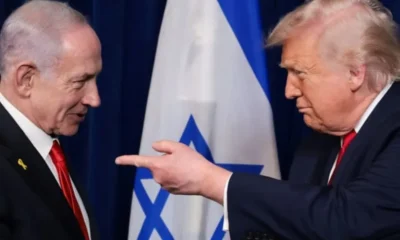
Prime Minister Benjamin Netanyahu has endorsed the agreement, framing it as a tactical outcome made possible by Israeli and U.S. pressure. His government argues that recent strikes have weakened Iran’s capabilities and shifted the regional balance, making a pause acceptable—so long as Tehran complies with key conditions, including reopening the Strait of Hormuz and halting attacks on regional actors.
But the endorsement comes with clear limits. Israeli officials stress that the ceasefire applies only to the U.S.-Iran track. Operations against Hezbollah in Lebanon continue unabated, with air and ground campaigns intensifying even as diplomacy unfolds.
Across Israeli media, the reaction is notably restrained. Mainstream outlets report that officials were caught off guard by the timing of the deal and view it as premature. The dominant concern is strategic: that Iran will use the pause to regroup—rebuilding elements of its missile and nuclear capabilities while avoiding immediate confrontation.
More critical voices, particularly in opposition circles, go further. They describe the ceasefire as a diplomatic setback, arguing that it halts momentum without securing irreversible gains. The fear is not just what the deal achieves, but what it leaves unresolved.
Within Israel’s security establishment, the position is more pragmatic than political. There is broad support for reducing direct confrontation with Iran in the short term, but no appetite for relaxing pressure on its regional network. Hezbollah remains a central focus, and preventing Iran’s long-term reconstitution—especially in the nuclear domain—is seen as non-negotiable.
Public sentiment is also shifting. Early support for a prolonged war has softened, reflecting fatigue and rising uncertainty. Yet this does not translate into trust. If anything, it reinforces a cautious acceptance: a pause may be necessary, but it is not sufficient.
What emerges is a clear strategic posture. Israel is honoring the ceasefire—but not relying on it.
For Jerusalem, the agreement is not an endgame. It is a temporary phase in a longer confrontation, one that has already moved from direct strikes to a more complex mix of diplomacy, deterrence, and continued proxy conflict.
The war, in Israel’s view, hasn’t ended. It has simply changed shape.
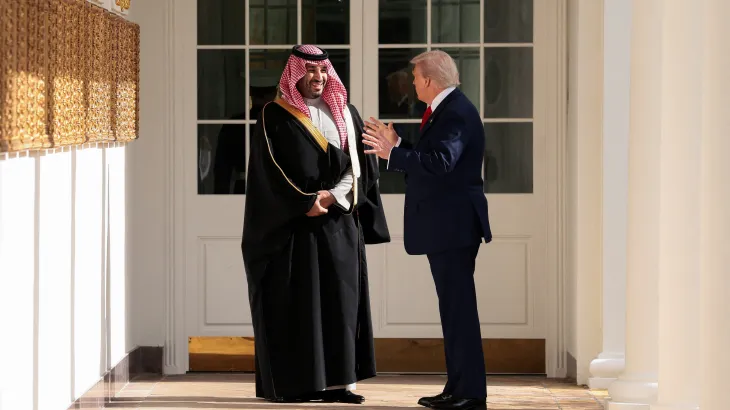
Washington changed course. Iran gained leverage. Now all eyes are on MBS—can he reset the balance?
Saudi Arabia’s silence following Donald Trump’s sudden endorsement of Iran’s 10-point framework is not indecision—it is strategy under pressure.
As of April 8, Riyadh has issued no formal response, a calculated pause reflecting the stakes. Publicly opposing a U.S.-endorsed proposal risks fracturing a decades-old security relationship at the worst possible moment. Privately, Gulf diplomatic sources indicate the kingdom is reassessing its entire strategic posture before committing to a position.
The challenge is not rhetorical—it is structural. The Iranian proposal, now labeled “workable” by Washington, is not a conventional negotiation platform. It is a maximalist framework that, if implemented even partially, would reshape the regional order.
At its core lies a fundamental contradiction with Saudi interests. Where Crown Prince Mohammed bin Salman sought to weaken Iran’s military and strategic reach, the proposal does the opposite: it preserves Tehran’s proxy network, legitimizes its nuclear program, and codifies influence over the Strait of Hormuz—a critical artery for Saudi oil exports.
The most consequential demand is the withdrawal of U.S. forces from the Gulf. Such a move would dismantle the security architecture that has underpinned regional stability for decades. Saudi Arabia, unlike some of its neighbors, lacks a formal defense treaty with Washington. Its protection has relied on presence, not paper. Remove that presence, and the balance shifts overnight.
Yet this moment also underscores MBS’s strategic clarity. His earlier push for decisive action against Iran was not reckless—it was rooted in a clear understanding of what a partial outcome would look like. The current framework validates that concern. A weakened but intact Iran, freed from constraints and operating under reduced pressure, poses a more complex challenge than a fully contained adversary.
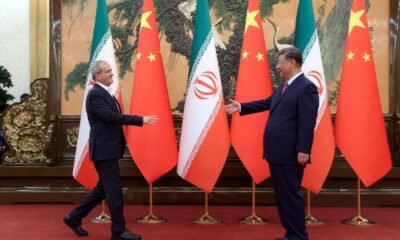
China’s quiet influence adds another layer. The framework’s architecture—particularly its reliance on multilateral guarantees involving Beijing and Moscow—signals a broader shift away from U.S.-centric order toward a multipolar system where enforcement becomes diffuse and harder to challenge.
Still, Riyadh is not without leverage. As the world’s leading oil exporter and a central pillar of global energy markets, Saudi Arabia retains economic weight that can translate into political influence. Its sovereign investment power, expanding industrial base, and growing technological partnerships offer alternative pathways to shape outcomes—even as traditional security guarantees come into question.
The nuclear dimension looms largest. If Iran’s enrichment program is accepted without limits, Saudi Arabia faces a strategic threshold it has long warned about. MBS has been explicit: parity would follow. That is not escalation—it is deterrence logic.
What defines this moment is not Saudi weakness, but transition. The assumption that American power would unilaterally resolve the Iran challenge has fractured. In its place emerges a more complex reality—one where Riyadh must balance diplomacy, deterrence, and independence.
The next phase will test whether MBS can convert Saudi Arabia’s economic strength into a new form of strategic security.
Because the rules of the game have changed—and Saudi Arabia is already adapting.
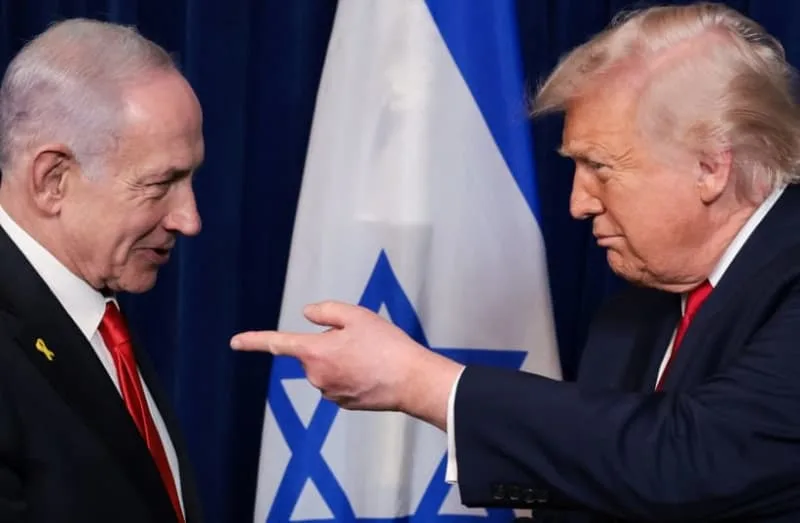
The war stopped—but Israel’s biggest goals didn’t. Now the real political fight begins.
The U.S.-Iran ceasefire has paused the war—but for Israel, it may have exposed a deeper strategic dilemma: the conflict ended without delivering its core objectives.
Prime Minister Benjamin Netanyahu had framed the war around three clear goals—crippling Iran’s nuclear program, dismantling its missile capabilities, and weakening or toppling the regime. By most early assessments, none have been fully achieved.
Analysts point to a stark reality. Iran’s enriched uranium stockpile remains inside the country. Its ballistic missile capacity, though degraded, is still operational. And most importantly, the ruling system in Tehran remains intact. The war inflicted damage—but not decisive change.
This gap between ambition and outcome is now fueling criticism inside Israel. Opposition leader Yair Lapid has labeled the ceasefire a “political disaster,” reflecting a broader concern that Israel may have paid a high price without securing lasting gains.
Yet the picture is not entirely one-sided. Israeli and U.S. strikes have weakened aspects of Iran’s military infrastructure, and the conflict demonstrated unprecedented operational coordination between Washington and Tel Aviv. For Netanyahu, that alignment itself may form the backbone of a political “victory narrative.”
Still, the unresolved fundamentals are hard to ignore. Iran retains leverage—not only through its remaining capabilities but also through its position near the Strait of Hormuz, a global energy chokepoint that continues to shape negotiations.
The ceasefire also leaves active fronts open. Israel has made clear that operations against Hezbollah in Lebanon will continue, creating immediate tension within the broader truce framework. That separation risks prolonging instability even as U.S.-Iran talks move forward.
What emerges is a war that achieved tactical gains but fell short of strategic transformation. Israel sought to redefine the regional balance; instead, it has entered a new phase of uncertainty—where Iran is weakened, but far from neutralized.
With elections approaching, Netanyahu’s challenge is no longer military—it is political. He must convince voters that the war changed the equation in Israel’s favor.
The question many Israelis are now asking is simpler, and sharper: was it enough?
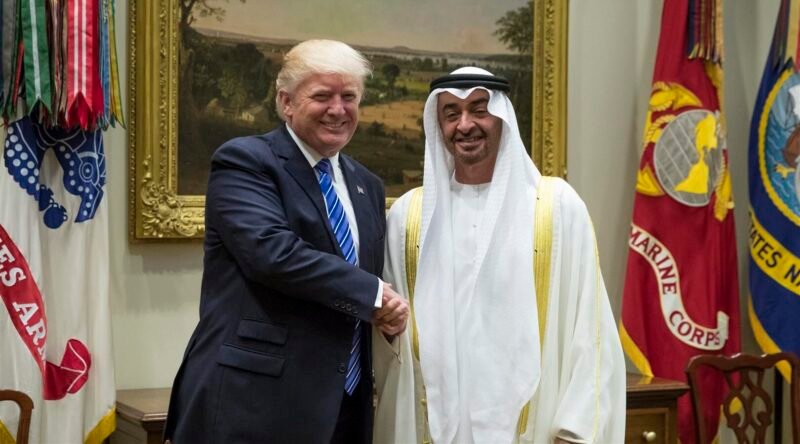
Relief in the Gulf—but no trust. Leaders want more than a pause. They want guarantees.
As a fragile ceasefire takes hold, Gulf states are signaling cautious relief—but not confidence. For governments across the region, the pause in fighting is welcome, yet far from sufficient.
From Saudi Arabia to United Arab Emirates and Qatar, the message is consistent: this crisis must end with enforceable guarantees, not temporary de-escalation.
At the center of their concern is the Strait of Hormuz. Gulf leaders are united in rejecting any arrangement that leaves the waterway under Iranian control or subject to tolls. For them, free navigation is not negotiable—it is the foundation of economic survival.
The stakes are immediate. The war has exposed Gulf economies to direct and indirect shocks: missile threats, disrupted energy flows, and rising living costs. Even the region’s most ambitious economic programs—particularly diversification plans in Saudi Arabia and the UAE—have come under strain.
Yet beyond economics lies a deeper strategic anxiety. Gulf officials do not simply fear Iran’s strength—they also fear its collapse. A destabilized Iranian state could unleash refugee flows, proxy violence, and prolonged regional chaos. This dual concern shapes a delicate position: contain Iran, but avoid triggering its disintegration.
Each state reflects this balance differently. Saudi Arabia is prioritizing stability, pushing for a comprehensive settlement that protects its long-term economic transformation. The UAE is demanding a conclusive outcome, warning that a ceasefire without structural change leaves the region exposed. Qatar, heavily impacted by disrupted LNG flows, is leaning toward diplomacy, urging rapid de-escalation and sustained dialogue.
Smaller Gulf states are reinforcing this consensus. Kuwait and Bahrain have emphasized collective security and condemned attacks on their territories, while Oman continues to position itself as a quiet mediator.
What unites them is frustration. This was not their war—yet they have borne its costs. Now, they are insisting on a seat at the table in any final agreement, rejecting solutions imposed solely by external powers.
The ceasefire has created a narrow window. But for the Gulf, the objective is clear: not just to stop the current crisis, but to prevent the next one.
Anything less risks repeating the cycle.
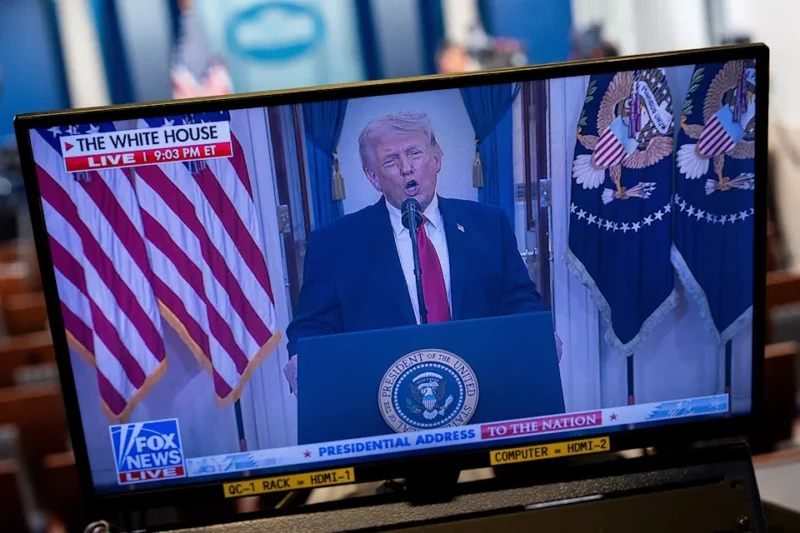
The war paused—but Iran may have just gained control of the world’s most critical oil route.
A two-week ceasefire between the United States, Israel, and Iran has paused a war that shook the Middle East and disrupted global energy markets—but the agreement leaves core tensions unresolved and power dynamics sharply intact.
The deal, announced Wednesday, follows weeks of escalating strikes and threats, including warnings from Donald Trump that the U.S. could devastate Iran’s infrastructure. Trump now claims “total victory,” yet the terms suggest a strategic pause rather than a decisive outcome.
At the center of the agreement is the Strait of Hormuz, the world’s most vital oil chokepoint. Iranian Foreign Minister Abbas Araghchi said passage would resume under Iranian military management—language that signals control, not concession.
Regional officials say Iran and Oman may also collect transit fees from ships crossing the strait, potentially turning a wartime blockade into a new revenue stream for Tehran’s reconstruction.
The broader demands from Iran remain unchanged: U.S. troop withdrawal, sanctions relief, and access to frozen assets. None appear resolved. Washington’s key objective—ending Iran’s nuclear program—also remains unsettled.
Israel’s support for the ceasefire reflects a shared calculation: escalation carries rising costs without clear gains.
What emerges is not victory, but repositioning. The ceasefire halts the fighting—but preserves the core struggle over nuclear ambitions, regional influence, and control of global energy flows.
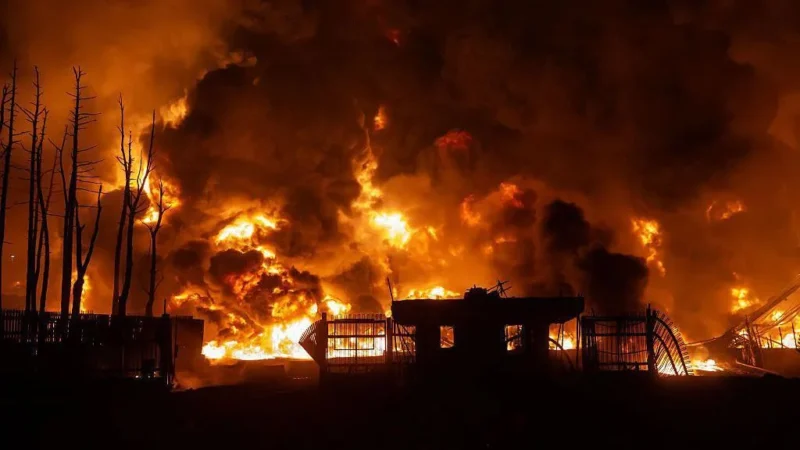
Victory or Pause? Trump Declares Victory as Iran Ceasefire Opens Talks but Leaves Lebanon Front Active.
WASHINGTON — Donald Trump has declared a “total and complete victory” over Iran, even as a newly announced two-week ceasefire reveals a more complex reality: diplomacy is advancing, but the conflict is far from resolved.
Under the agreement, the United States will suspend strikes on Iranian energy infrastructure while negotiations begin in Islamabad on April 10. The pause is contingent on Iran reopening the Strait of Hormuz—an outcome Trump says has already been secured, though details remain contested.
Tehran is telling a different story.
Iranian officials have framed the ceasefire as a strategic success, claiming Washington has effectively accepted elements of a 10-point proposal that includes sanctions relief, continued uranium enrichment and broader security guarantees. Public celebrations in Tehran underscore how the pause is being presented domestically—not as concession, but as resistance rewarded.
The gap between narratives is striking.
Washington portrays the ceasefire as leverage paying off. Tehran presents it as proof that pressure forced the United States to step back. Both claims cannot fully coexist, highlighting the ambiguity at the core of the deal.
The battlefield reflects that ambiguity.
While Israel has endorsed the pause, Prime Minister Benjamin Netanyahu has made clear that Lebanon is excluded. Israeli strikes have continued in Lebanese territory, and exchanges of fire have persisted despite the broader ceasefire framework.
That carve-out matters.
It suggests the war is not ending, but fragmenting—shifting from a unified confrontation into multiple parallel fronts, each governed by different rules.
The strategic contradiction is clear.
The United States is attempting to de-escalate through negotiation while maintaining pressure. Iran is entering talks while preserving core capabilities and leverage. Israel is supporting diplomacy with Tehran while continuing operations elsewhere.
Each actor is de-escalating and escalating at the same time.
The risks remain significant.
Key issues—uranium enrichment, missile capabilities and regional proxy networks—are unresolved. The ceasefire buys time, but it does not settle the underlying conflict. If negotiations stall, the path back to escalation remains short.
For now, the pause changes the tempo, not the trajectory.
Markets may stabilize, and diplomatic channels may reopen. But the structure of the conflict—competing narratives, partial agreements and active secondary fronts—suggests the war is entering a new phase rather than concluding.
Trump’s declaration of victory may shape perception.
The outcome of the negotiations will determine whether it reflects reality.

Iran Crisis Enters Fragile Phase as Ceasefire Fails to Resolve Core Issues

Ceasefire Near Collapse as Israel Strikes Lebanon and Iran Disrupts Oil Flow

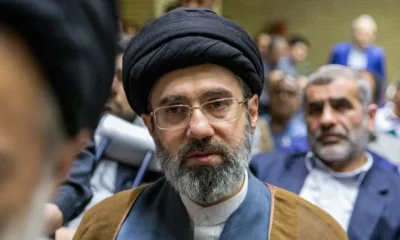
Iran’s New Leader, New Risks


-
 US-Israel war on Iran3 weeks ago
Waves of Mystery Drones Breach U.S. Nuclear Base Airspace
-
 Terrorism1 week ago
Egypt Uncovers Alleged Plan to Down Presidential Plane
-
 US-Israel war on Iran2 weeks ago
Former CIA Chief Blames White House for Escalating Iran War Crisis
-
 Top stories2 weeks ago
Saudi Arabia Deepens Defense Ties with Ukraine
-
 US-Israel war on Iran3 weeks ago
Iran’s Guard Leadership Hit Hard in Escalating Strikes
-
 Analysis3 weeks ago
Inside the IRGC’s Quiet Rebuild of Hezbollah
-
 US-Israel war on Iran2 weeks ago
Iran War Sparks Global Crisis Warning
-
 Red Sea2 days ago
Houthis Threaten to Shut Red Sea if War Widens