
Somaliland
Elders Reject SSC-Khaatumo Inclusion, Affirm Allegiance to Puntland

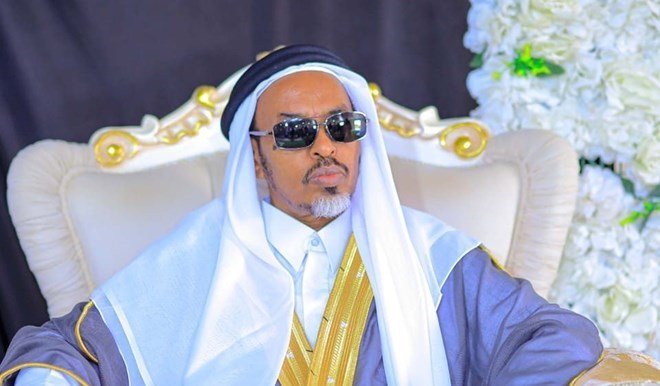
A group of traditional elders from Sanaag and Haylaan regions issued a strong statement on Wednesday firmly rejecting any attempts to incorporate their territories into the SSC-Khaatumo administration. The statement emerges as political representatives and other elders from these regions are scheduled to attend a major conference in Las Anod next week.
The elders stressed that Sanaag and Haylaan have historically and administratively been integral parts of Puntland since its inception in 1998. They reiterated their continued allegiance and integration into Puntland’s political framework, urging regional authorities to enhance development initiatives and reinforce security measures.
According to their statement, the elders confirmed that no legitimate political gathering among local clans had sanctioned representation at the upcoming SSC-Khaatumo State Completion Conference slated for July 10. They unequivocally denied authorizing delegates to attend on their behalf and insisted no valid political resolution had been taken to align with the SSC-Khaatumo administration.
The elders demanded an official apology from SSC-Khaatumo leaders, accusing them of meddling in internal community affairs and destabilizing regional peace and harmony. They further called upon the international community to recognize that they are not participants in any new administrative or political arrangements and have not delegated authority to representatives attending the conference in Las Anod.
Additionally, the elders urged the Federal Government of Somalia to adhere strictly to its constitutional responsibilities, cautioning against actions that might ignite inter-clan divisions and threaten the delicate peace in the region.
These developments follow the controversial arrival in Las Anod of former Puntland Parliament Speaker Abdirashid Yusuf Jibriil, who claimed to represent Sanaag and Haylaan. Jibriil accused Puntland President Said Abdullahi Deni of militarizing the regions with the deployment of thousands of troops, asserting that his communities are prepared to seek autonomy from both Puntland and Somaliland.
This mounting tension underscores the widening fissure between Puntland, the Federal Government, and the SSC-Khaatumo administration regarding territorial sovereignty and clan representation in eastern Somaliland. The situation remains tense as all sides prepare for the impending Las Anod conference.
















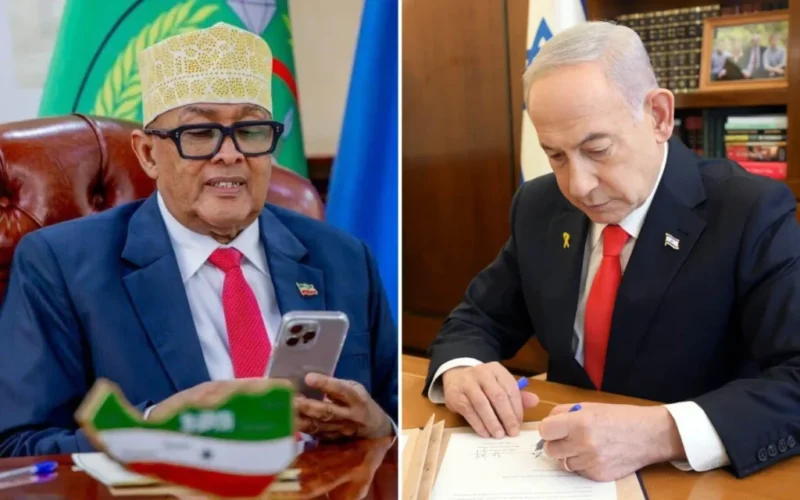
From recognition to real partnership — is Somaliland reshaping its global alliances?
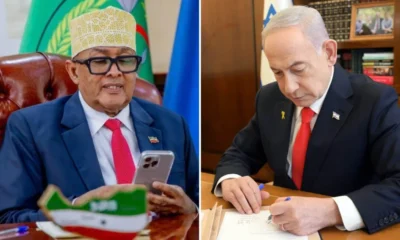
Somaliland President Abdirahman Mohamed Abdillahi “Irro” is expected to travel to Israel in late March for his first official visit since Israel formally recognized Somaliland’s independence last year, according to sources cited by The Jerusalem Post.
The visit marks a significant diplomatic milestone. In December, Israel became the first country to formally recognize Somaliland since it declared the restoration of its 1960 independence in 1991. That move reshaped regional calculations and elevated Somaliland’s international profile.
President Irro’s trip is expected to focus not only on symbolic diplomacy but on practical cooperation. Somaliland officials are seeking to deepen engagement in technology, agriculture and innovation — sectors where Israel has built a global reputation. The aim, according to reports, is to translate recognition into tangible economic gains and institutional capacity-building.
The invitation for the visit followed a high-level virtual meeting on December 26 between Irro and Israeli Prime Minister Benjamin Netanyahu, shortly after Israel announced recognition.
The outreach to Israel comes as Somaliland simultaneously intensifies efforts to engage Washington. Khadar Hussein Abdi, Somaliland’s Minister of the Presidency, recently indicated the territory would consider offering the United States exclusive access to mineral resources and potential military facilities in exchange for diplomatic recognition.
That dual-track diplomacy — strengthening ties with Israel while courting the United States — underscores Somaliland’s broader strategy: leverage strategic geography, untapped mineral potential and regional security relevance to secure international legitimacy.
For Israel, the relationship offers a foothold along the Red Sea corridor, a waterway critical to global trade and regional security.
For Somaliland, the upcoming visit represents more than protocol. It is a calculated step in a decades-long campaign for recognition — and a signal that Hargeisa is willing to anchor its future in new alliances if traditional diplomatic doors remain closed.
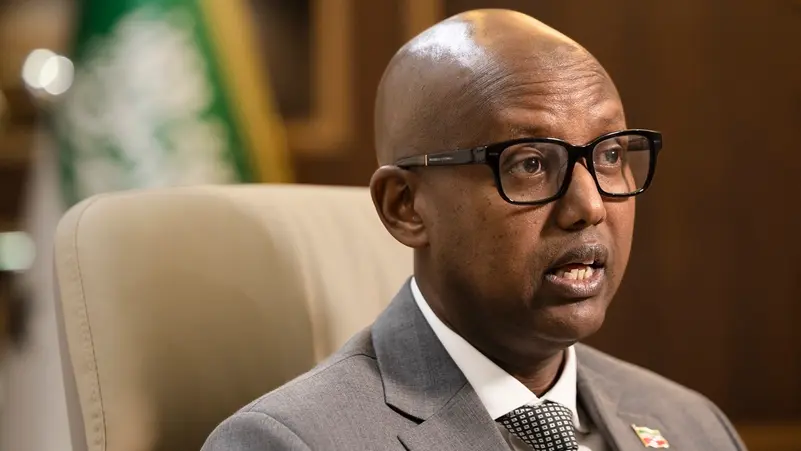
Minerals, military bases, and recognition — Somaliland is raising the stakes in its push for global legitimacy.
Somaliland has signaled it is prepared to grant the United States access to its mineral resources and potentially host American military bases, as the republic intensifies its campaign for international recognition.
Khadar Hussein Abdi, minister of the Somaliland presidency, told AFP that Hargeisa would be willing to offer Washington exclusive access to strategic minerals and open discussions on military cooperation.
“We are willing to give exclusive access to our minerals to the United States. Also, we are open to offering military bases,” he said, adding that Somaliland hopes to reach an understanding with Washington.
The remarks come months after Israel became the first country to formally re-recognize Somaliland’s independence in December — a diplomatic breakthrough for Somaliland.
President Abdirahman Mohamed Abdullahi has also floated the idea of granting Israel privileged access to mineral resources. Abdi did not rule out the possibility of Israel establishing a military presence as well.
Somaliland is believed to hold significant deposits of lithium, coltan and other critical minerals increasingly sought after for electric vehicles, renewable energy technology and advanced electronics. Its strategic coastline along the Gulf of Aden, near key Red Sea shipping lanes, further enhances its geopolitical value.
The United States has defended Israel’s right to recognize Somaliland, though President Donald Trump has indicated he is unlikely to follow suit, despite backing from some Republican lawmakers.
Abdi also addressed concerns raised by Turkey, which objected to Israel’s recognition move. He urged Ankara to engage directly with Somaliland rather than Mogadishu, arguing that Somalia’s federal government lacks cohesion.
“It is fragmented factions who sit in Mogadishu,” he said, asserting that focusing solely on Somalia’s central authorities does little to advance regional stability.
For Somaliland, the strategy is clear: leverage its strategic geography and natural resources to attract powerful allies. Whether Washington or other global players are ready to reciprocate remains the defining question.
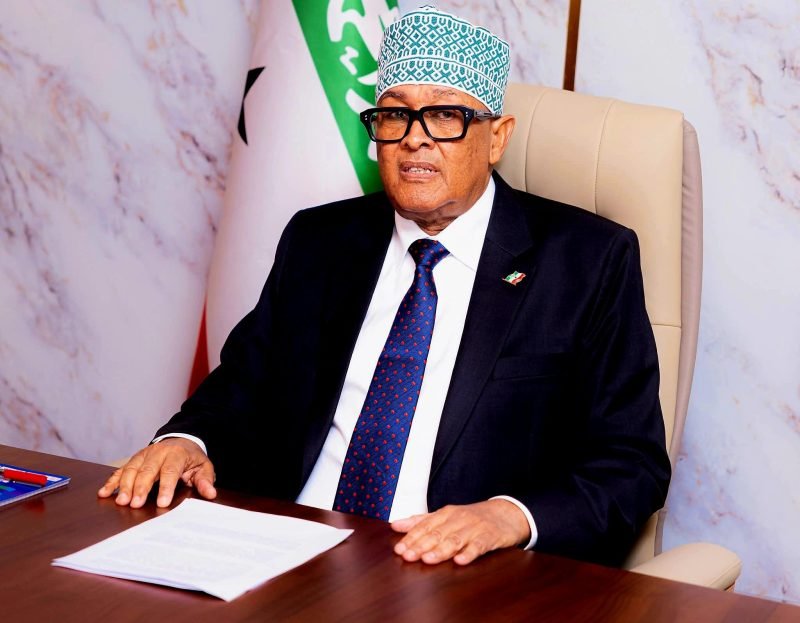
Trade corridors, oil by 2027, minerals for technology — Somaliland’s president signals an aggressive economic push.
Abdirahman Mohamed Abdullahi Irro said a cargo and trade agreement with Ethiopia is close to completion, underscoring his administration’s push to position Somaliland as a regional investment hub.
In an interview with CNN Business Arabic, Irro said negotiations over a cargo agreement are progressing and expressed hope that the deal would be finalized soon. The agreement is expected to deepen commercial ties between the landlocked Horn of Africa nation and Somaliland’s ports, reinforcing cross-border trade flows.
Irro said his broader goal is to create a peaceful and stable economic zone where trade can flourish. He emphasized Somaliland’s readiness to enter agreements with international partners, including the United States, particularly in the development and export of precious minerals.
The president also referenced a potential trade arrangement with Israel, first mentioned in a recent interview with Reuters, involving the sale of minerals in exchange for advanced Israeli technology and equipment.
To attract foreign capital, Irro said investors would benefit from long-term tax incentives and opportunities in sectors such as mining, hydrocarbons and marine resources. He added that two companies are currently engaged in oil development projects, with production targeted for 2027.
Highlighting Somaliland’s economic potential, Irro cited mineral deposits, oil and gas reserves, fisheries, tourism assets and arable land. He also noted that while Somaliland has domestic banks, his government is encouraging international financial institutions to establish branches in Hargeisa to ease investment flows.
The remarks signal an assertive economic strategy aimed at diversifying partnerships and strengthening Somaliland’s trade corridors, particularly as regional competition for investment intensifies.
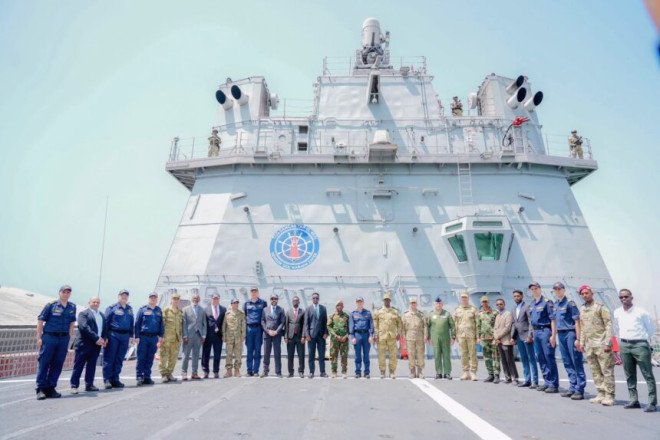
Ankara says “stability.” Somaliland sees risk. The Horn of Africa is entering a new strategic chapter — and the stakes are rising fast.
When Turkish warships docked in Mogadishu, alongside reports of F-16 fighter jet deliveries and offshore drilling plans, the signal was unmistakable: Ankara is deepening its footprint in Somalia. For Somaliland — whose collective memory still carries the trauma of the 1988 bombardment of Hargeisa by the regime of Siad Barre — the optics alone are unsettling. Military expansion in Mogadishu is rarely viewed as defensive. It is viewed through history.
Yet a sober assessment of the Turkey–Somalia defense and economic framework suggests a more complex reality. Turkey is unlikely to launch — or support — an offensive campaign against Somaliland. The strategic costs would be immense.
As a key member of NATO, Ankara positions itself as a regional stabilizer, not a proxy combatant in Somalia’s internal territorial disputes. An unprovoked escalation against a relatively stable and democratic territory with informal ties to the United Kingdom, the UAE and Ethiopia would undermine Turkey’s diplomatic standing at a time when it seeks influence across Africa and the Red Sea corridor.
Economics also act as a restraint. Turkey’s maritime doctrine — often described as the “Blue Homeland” — prioritizes sea lanes, energy access and trade routes. A regional war would jeopardize precisely the offshore prospects and shipping stability Ankara hopes to cultivate. Investors do not drill in active conflict zones.
Ethiopia further complicates any military calculus. Somaliland’s memorandum of understanding with Ethiopia creates a deterrent layer Ankara cannot ignore. Turkey maintains significant economic and defense ties with Addis Ababa; it is unlikely to risk indirect confrontation over Mogadishu’s maximalist claims.
Still, the danger lies less in intent than in imbalance. Advanced aircraft in a fragile security environment introduce new variables. Even if initially deployed against Al-Shabaab, the capability itself alters regional power equations. History in Somalia has shown how quickly state assets can be redirected.
Maritime cooperation carries similar risks. If Turkish-trained Somali naval units patrol waters claimed by Somaliland — particularly near the vital Berbera corridor — even minor incidents could escalate into diplomatic crises.
The most combustible element may be energy exploration. Should Turkish drilling vessels operate in offshore blocks Somaliland considers within its jurisdiction, a commercial venture could morph into a sovereignty dispute with international implications.
Turkey is not preparing an invasion. It is consolidating influence — military, economic and maritime — in a strategically vital region. For Somaliland, the challenge is not alarmism but strategy: direct engagement with Ankara, stronger regional integration with Ethiopia, and early internationalization of maritime boundary concerns.
In the Horn of Africa, power shifts rarely announce themselves loudly. They unfold quietly — until they don’t.
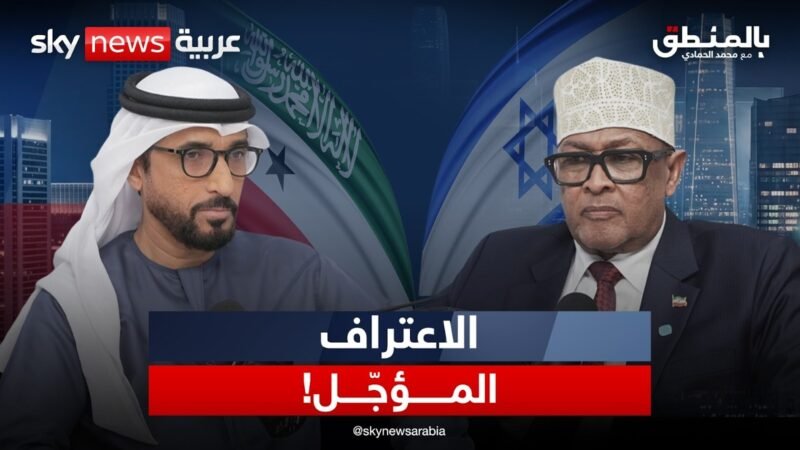
Somaliland President Abdirahman Mohamed Abdullahi Irro has said that calls for Somali unity are misplaced unless they first include other Somali-inhabited territories in the Horn of Africa, arguing that Somaliland’s status should only be discussed after those regions are unified with Somalia.
Speaking to Sky News Arabia, Irro said that if genuine Somali unity is the goal, then Djibouti, the Somali Regional State of Ethiopia, and Kenya’s Northeastern Frontier District should be part of that conversation first.
“If Somali unity is desired, Djibouti should join Somalia, it used to be part of it; the Somali Region of Ethiopia should not join Somalia; the NFD should not join. If the world wants Somali unity, they should unite,” Irro said, questioning why the union between Somalia and Somaliland is treated as unique.
He argued that many governments misunderstand Somali history, noting that Somali territories were divided into five parts during the 1884 Berlin Conference. Somaliland, he said, became the first Somali territory to gain independence in 1960 and was recognized by 35 countries, including Israel.
Irro said Somalilanders quickly rejected the union with Somalia after independence due to abuses and marginalization, making any future reunification impossible. “Another union is never possible,” he said.
Tensions between Somaliland and the Somalia federal government resurfaced late last year following Israel’s recognition of Somaliland, a move that angered leaders in Mogadishu.
Somaliland continues to push an international diplomatic campaign seeking formal recognition, insisting its case is rooted in history, sovereignty and the will of its people.
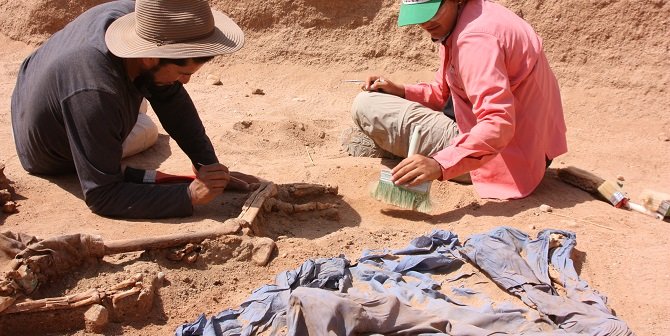
Mapping the Perpetual Threat: Foreign Intervention and the Siege of Somaliland’s Sovereignty.
By Mo Saeed
Introduction:
This report examines two distinct but thematically linked allegations concerning external military intervention in Somaliland. The first is a well-documented historical case: the hiring of foreign mercenary pilots by the Mohamed Siad Barre regime to conduct a brutal aerial campaign against Hargeisa and other northern cities in 1988–1989. The second is a contemporary genocide against Somaliland that the current Federal Government of Somalia is seeking military support from Turkey, Egypt, and Saudi Arabia for similar purposes. This analysis aims to present the available facts, highlight potential parallels, and assess the implications of such external involvements.
The Historical Case:
Foreign Mercenaries in the 1988–1989 Bombing Campaign:
In May 1988, the Somali National Movement (SNM) launched a major offensive in northern Somalia (present-day Somaliland), capturing parts of Hargeisa as they could no longer watch Barre’s regime systematically wiping Isaq people out from the Horn of Africa . The Siad Barre regime responded with a massive and indiscriminate military campaign aimed at crushing the rebellion and terrorizing the civilian population, actions widely characterized as war crimes and crimes against humanity. The Isaaq genocide, also known as the Hargeisa Holocaust.
Recruitment and Origin of Pilots:
To supplement its air force, the Barre regime hired foreign mercenaries . These pilots were primarily recruited from South Africa and former Rhodesia (Zimbabwe).
One specific account notes that “bombing raids on the towns for one month were conducted mainly by mercenaries recruited in Zimbabwe.
These mercenaries operated during the peak of the conflict in 1988–1989. They flew missions from the Hargeisa airport, targeting not only SNM positions but also conducting widespread, indiscriminate bombing of civilian areas in Hargeisa and surrounding regions. Their role was to provide the regime with additional aerial strike capacity for a campaign of collective punishment.
The objective was to support the Somali army in suppressing the civilians uprising by terrorising the civilian population through sustained aerial bombardment. This campaign resulted in the destruction of a large part of Hargeisa, Burao and caused thousands of civilian casualties, and is a central element of the planned and executed genocide against the Isaaq clan. The use of mercenaries allowed the regime to conduct this intense bombing campaign despite potential constraints within its own military.
Recent reports and statements indicate that the current Federal Government of Somalia is seeking direct military assistance from foreign states specifically Turkey, Egypt, and Saudi Arabia for operations against Somaliland with the aim of committing genocide again past genocide survivors. A prominent fact is that Somalia’s Minister of Defence requested his Saudi counterpart to conduct airstrikes against Somaliland and to facilitate the capture of its president.
Turkey already has a significant military training and infrastructure presence in Somalia. The current evidence suggests this partnership could be expanded to include direct combat support.
Egypt and Saudi Arabia are being asked by Somalia to provide aerial military capabilities, reminiscent of the mercenary model used in 1988, though ostensibly through state-to-state agreements rather than private contracts.
Turkey has already deployed F-16 fighter jets to Somalia to be precisely part of this plan.
As of February 2026, these specific evidence of requests for bombing and capture operations reflect heightened tensions between Mogadishu and Hargeisa and a genuine fear in Somaliland of a return to large-scale, externally supported violence.
Historical Parallels:
The current requests evoke a direct parallel to the 1988 strategy, the Somali government seeking external aerial firepower to resolve its 60 year occupation with Somaliland. The historical precedent shows that such outsourcing of violence can lead to disproportionate and indiscriminate attacks on civilians, with lasting humanitarian and political consequences.
Key Differences:
The historical case involved private mercenaries, while current evidence point to formal state actors.
The 1988 campaign occurred during the Cold War with less international scrutiny. Today, any such overt foreign military action would face immediate global attention and potential legal ramifications under international law.
Potential Implications:
For Somaliland this reinforces its deep-seated security fears and unhealed genocide scars and it could destabilize the relative peace maintained since the 1990s.
For Regional Stability, it could draw neighboring states into a proxy conflict, escalating tensions in the Horn of Africa.
For International Law, it would raise serious questions about the legality of cross-border military actions at the request of a government against a territory that has maintained de facto independence for decades and has legitimate and legal state continuity.
Conclusion:
The use of South African and Rhodesian mercenary pilots by the Siad Barre regime in 1988–1999 is a documented historical fact that exemplifies how external military capabilities can be harnessed for internal repression, resulting in atrocities. If Israel would not recognise Somaliland , Somalia was seeking support from Turkey, Egypt, and Saudi Arabia for assisting with their planned genocide.
The international community must remain vigilant to ensure that external military involvement, in any form, does not enable further human mainly by mercenaries recruited in Turkey, Egypt or Saudi Arabia.
This recurring threat of genocide from Somalia to Somaliland which is a de jure state underscore the critical need for the failed state of somalia respecting for international law and living peacefully with its neighbours to prevent any recurrence of the devastating genocide and violence witnessed by somaliland in the past.
Somaliland is not claiming a right to secede from a functioning state. it is reclaiming a pre-existing statehood after a failed merger. This makes its case sui generis.
By Mo Saeed
Somaliland legal research (SLR)
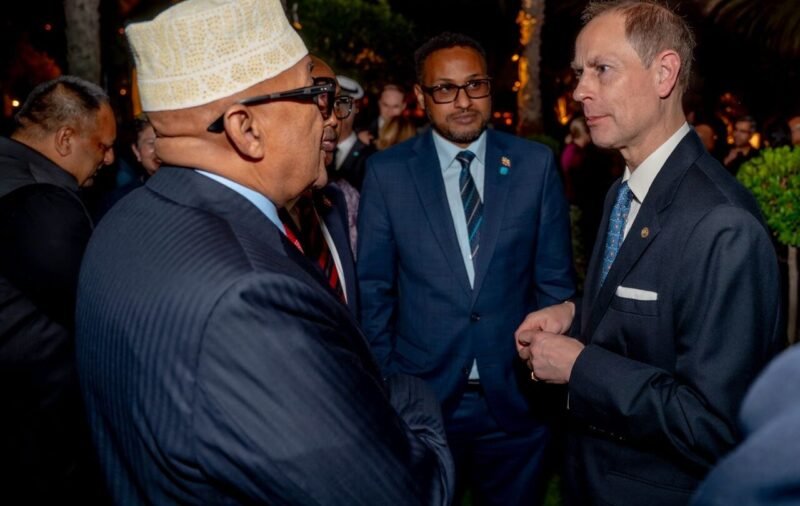
A UK royal, a key British MP, and Somaliland’s president at one table. This is diplomacy without permission — and it’s getting noticed.
DUBAI — President Abdirahman Mohamed Abdullahi of the Republic of Somaliland and the delegation accompanying him in the United Arab Emirates attended an official state dinner in Dubai on Tuesday evening, marking another high-profile diplomatic moment for Somaliland on the international stage.
The dinner was attended by Prince Edward, Duke of Edinburgh, brother of King Charles III, underscoring the level of international engagement surrounding the Somaliland delegation during its working visit to the UAE.
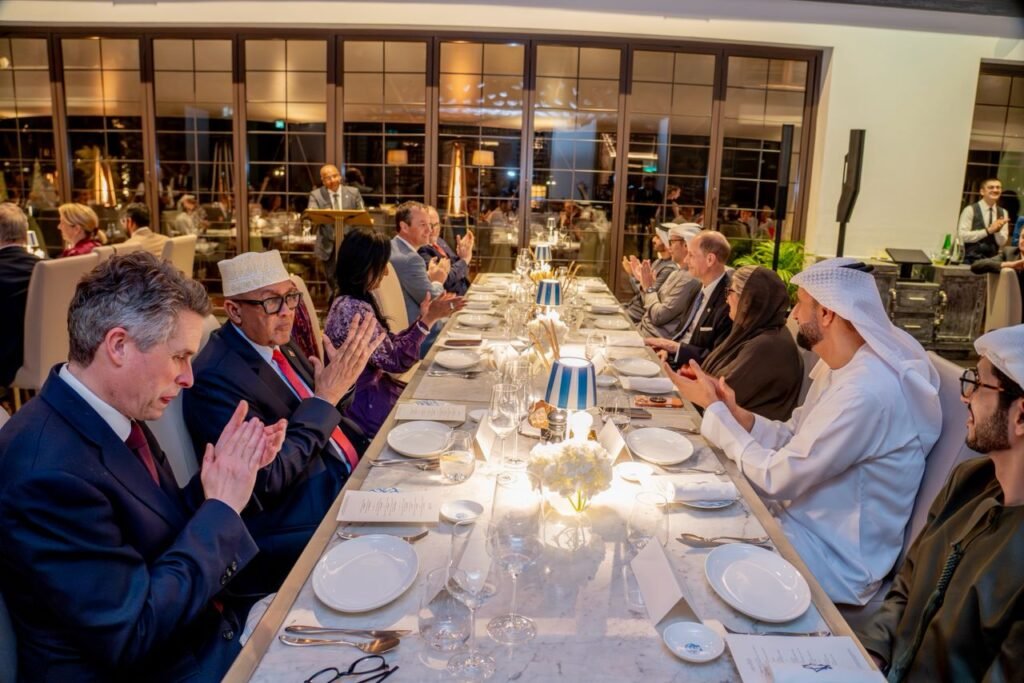
Officials described the event as a reflection of the growing diplomatic visibility and international respect Somaliland is cultivating, particularly with longstanding partners such as the United Kingdom. Somaliland and Britain share deep historical ties dating back to the British Somaliland Protectorate era, a legacy that continues to shape political and social engagement between the two sides.
Also in attendance was Sir Gavin Williamson, a member of the UK House of Commons and one of the most vocal supporters of Somaliland’s quest for international recognition. Williamson has repeatedly raised Somaliland’s case in British and international political forums and is regarded in Hargeisa as a key ally.
President Abdullahi used the occasion to express his appreciation to Williamson for what he described as consistent and principled support for Somaliland and its people. According to Somaliland officials, the president emphasized the importance of allies who continue to advocate for Somaliland’s democratic record, stability, and right to self-determination.
Discussions during the event highlighted the shared interest in strengthening cooperation across governance, development, security, and people-to-people relations. Participants also reaffirmed a mutual commitment to dialogue, peaceful coexistence, and international cooperation as foundations for future engagement.
The dinner forms part of a broader diplomatic push by Somaliland’s leadership during the UAE visit, as President Abdullahi seeks to expand international partnerships and reinforce Somaliland’s image as a stable, responsible political actor in the Horn of Africa.
Officials said the engagement once again demonstrated Somaliland’s growing confidence and effectiveness in international diplomacy, particularly in strengthening ties with traditional partners such as the United Kingdom of Great Britain and Northern Ireland.
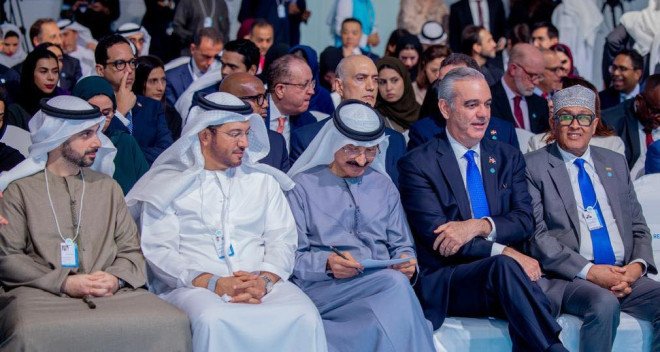
Second year in a row, Somaliland speaks where global power listens.
DUBAI — President Abdirahman Mohamed Abdullahi (Irro) has once again placed Somaliland on a major global stage, participating for the second consecutive year in the World Governments Summit, currently underway in Dubai, United Arab Emirates.
The summit, one of the world’s most influential international gatherings, brings together heads of state, prime ministers, senior ministers, global policy experts, business leaders, and international organizations to debate modern governance, leadership, innovation, and long-term state development. Its agenda is designed not around ceremony, but around how power is exercised, institutions are built, and states adapt to an increasingly volatile global order.
Irro’s repeat presence is significant. In diplomatic terms, continuity matters. Returning to the summit for a second year signals that Somaliland is no longer seeking visibility as a one-off gesture, but is positioning itself as a consistent participant in high-level global conversations. For an unrecognized state, repetition is leverage.
According to officials accompanying the delegation, President Irro is expected to hold a series of bilateral meetings with international leaders and senior officials on the margins of the summit. Those discussions are set to focus on development cooperation, stability, investment, and Somaliland’s long-term national vision—areas that align closely with the summit’s emphasis on future-oriented governance.
The diplomatic undertone of the visit is impossible to miss. Somaliland’s participation last year reportedly angered the federal government in Mogadishu, which objected to the invitation and, according to regional diplomatic sources, raised concerns with the United Arab Emirates in an effort to prevent a repeat appearance. Those efforts failed.
Relations between Mogadishu and Abu Dhabi have since deteriorated further, particularly after Somali officials accused the UAE of quietly supporting Somaliland’s recognition drive—an allegation Emirati authorities have not publicly endorsed but have also not forcefully denied. Against that backdrop, Irro’s presence in Dubai this year carries a sharper geopolitical edge.
For Somaliland, the summit offers more than symbolism. It provides a platform to present its record on peacebuilding, democratic processes, and state-building to an audience that increasingly values stability and governance capacity over formal diplomatic labels. In a world where influence is often shaped by access rather than recognition alone, Somaliland is choosing presence as its strategy.
By returning to the World Governments Summit, Irro is reinforcing a clear message: Somaliland intends to be seen, heard, and engaged—regardless of who objects.

Iran Strikes Shake Gulf’s Tax-Free Safe Haven

Khamenei Is Dead — Will Iran Fracture or Harden?

Hormuz: Explosions, GPS Jamming and Shipping Chaos


-

 Somaliland1 month ago
F-35s Over Hargeisa: The Night Somaliland’s Sovereignty Went Supersonic
-

 Somalia1 month ago
Aid Destroyed, Trust Shattered: Somalia Loses U.S. Support for Good
-
 Terrorism1 month ago
Foreign ISIS Pipeline Exposed: Puntland Captures Dozens of Non-Somali Fighters
-

 Somaliland1 month ago
Somaliland at Davos: The Moment Somaliland Entered the World’s Inner Circle
-
 Terrorism4 weeks ago
America Pulls Back From Somalia but Doubles Down Next Door
-
 Top stories2 months ago
Somali Pirates Hijack Chinese Fishing Vessel off Puntland Coast
-
 Somaliland2 months ago
Somaliland Rejects Claims of Israeli Military Bases or Gaza Refugee Deal
-
 Middle East2 months ago
US War Plans Against Iran Enter Advanced Stage