
Trafficking
Sex Trafficking Ringleader Arrested in Dubai After BBC Exposé

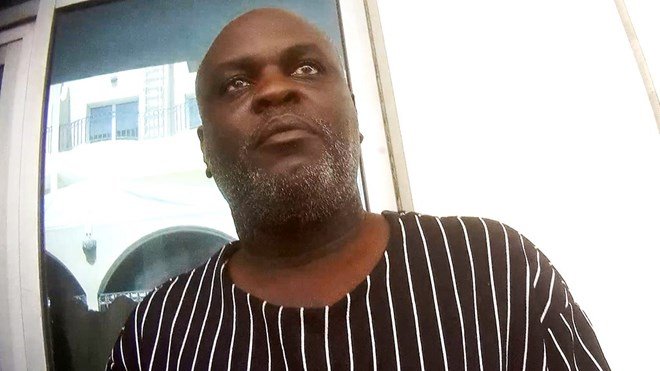
Ugandan national Charles “Abbey” Mwesigwa faces detention in UAE as authorities probe network accused of luring women into forced prostitution.
Authorities in the United Arab Emirates have arrested Charles “Abbey” Mwesigwa, a Ugandan man accused of running a sex trafficking ring that preyed on young women lured to Dubai with promises of legitimate work. His arrest comes weeks after a BBC Africa Eye investigation detailed how the network forced women into prostitution and exposed the ringleader’s own boasts about his operations.
Mwesigwa was detained under an Interpol warrant issued by Ugandan police and is currently being held at Al Awir Central Prison in Dubai. While the charges against him have not been formally announced, investigators say his network orchestrated the movement of Ugandan women under the guise of offering jobs in hotels, shops, and other businesses. Once in the UAE, the women were coerced into sex work.
The BBC investigation included undercover footage of Mwesigwa casually discussing prices — at times charging up to $1,000 per client — and claiming the women would do “anything” demanded of them. Several victims described harrowing experiences, including violent coercion and degrading acts that left them physically injured.
The case has taken an even darker turn. Two women linked to Mwesigwa’s network recently fell to their deaths from Dubai high-rises. Families of the victims allege they were pushed after refusing clients’ demands. Other women working in the same circles echoed suspicions that the deaths were not accidents but punishments for disobedience.
Mwesigwa has denied any wrongdoing, insisting he merely provided accommodation and connections for Ugandan women abroad. But the BBC’s findings — corroborated by testimonies from victims and former associates — paint a different picture, one of exploitation masked as opportunity.
In Kampala, the revelations have ignited a political storm. Members of Uganda’s parliament called the case “horrific” and urged swift cooperation with UAE authorities and Interpol to dismantle the wider trafficking network. Lawmakers also acknowledged the broader crisis of Ugandans, especially young women, being lured overseas under fraudulent labor schemes that end in abuse or servitude.
The Ugandan consulate in Abu Dhabi said investigations remain ongoing and pledged action against trafficking routes exploiting its citizens. The case is now seen as a critical test of regional and international cooperation against transnational organized crime.
For the families of the victims, however, justice cannot come quickly enough. “We need the truth, and we need accountability,” one relative said, echoing growing demands in both Uganda and the diaspora for answers about the deaths tied to Mwesigwa’s alleged empire.




















Egypt Uncovers Alleged Plan to Down Presidential Plane

$850 Billion Wiped Out: Is the AI Bubble Finally Cracking?

The War Feeding Iran’s Martyrdom Narrative


-

 US-Israel war on Iran1 month ago
UK Refuses Iran Strike Access, Trump Fires Back
-

 Russia-Ukraine War1 month ago
Europe’s Spies Challenge Trump’s Ukraine Peace Optimism
-

 Top stories4 weeks ago
War Expands Across Region as Iranian Militias Join Fight
-
 US-Israel war on Iran4 weeks ago
Iran Pledges ‘Never, Ever’ to Hold Bomb-Grade Material
-
 Top stories1 month ago
India Turns to Brazil in Strategic Minerals Push Against China
-
 US-Israel war on Iran1 month ago
Syria Under Fire on Two Fronts
-
 Russia-Ukraine War1 month ago
Estonia Warns NATO Would Strike Deep Inside Russia if Baltics Are Invaded
-

 Terrorism4 weeks ago
Regional Army Moves Against Expanding Armed Groups