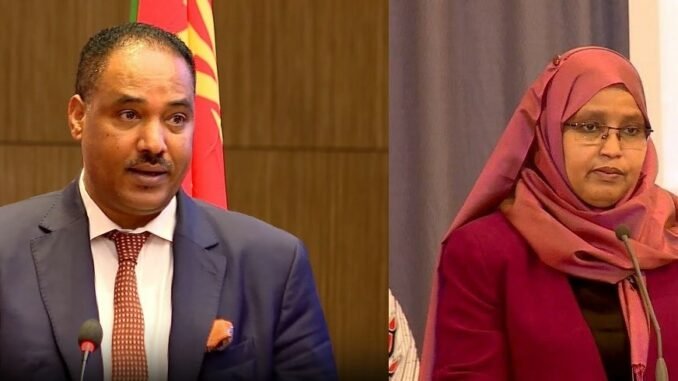
NATO’s Ankara summit shows a major shift: Ukraine remains central, but Iran, Hormuz, Turkey, defense spending, and maritime security are now reshaping the alliance’s future.
NATO’s Southern Turn
Why Iran, Ukraine, and Trump’s Pressure Are Redefining the Alliance
NATO’s summit in Ankara has become more than a meeting about European security. It has turned into a test of how the alliance responds to a world where Russia, Iran, Ukraine, maritime security, defense spending, and American political pressure are now moving together.
The summit opened under unusual tension. NATO leaders gathered in Turkey as President Donald Trump pressed allies over defense spending, Iran, and other disputes, while European governments tried to keep Washington committed to the alliance. Reuters reported that NATO members also announced major arms deals worth more than $50 billion, aimed at strengthening European defense capabilities and reassuring Trump that allies are taking security burdens more seriously.
Iran has become one of the summit’s defining issues. AP reported that NATO Secretary General Mark Rutte defended recent U.S. strikes on Iran, saying Tehran had violated the ceasefire and that Washington had to respond forcefully. Rutte also said NATO members were expected to reaffirm that Iran must never obtain nuclear capability and that freedom of navigation in the Strait of Hormuz remains vital.
That matters because NATO has traditionally focused on Russia and European defense. The Ankara summit shows the alliance being pulled south, toward the Gulf, Iran, Hormuz, and wider maritime security. Ukraine remains central, but Iran is now forcing NATO to confront a second major theater at the same time.
Turkey’s role makes the summit especially significant. Ankara sits between Europe, the Black Sea, the Middle East, the Caucasus, and the eastern Mediterranean. Hosting the summit gives President Recep Tayyip Erdogan a chance to present Turkey not as a difficult ally, but as an indispensable one. Reuters reported that Trump’s ties with Erdogan were seen by European officials as one factor that could help prevent the summit from turning into a public rupture.
The war in Ukraine remains the alliance’s core challenge. Reuters reported that Ukrainian President Volodymyr Zelenskyy continued pressing for more air defenses as Russia launched renewed attacks ahead of the summit. The Kremlin also said it would closely monitor the NATO meeting, describing recent Western statements as confrontational.
But NATO’s internal challenge may be just as important as its external threats. Trump wants allies to spend more and rely less on the United States. European governments want American protection but fear American unpredictability. AP reported that the summit comes as the United States reviews its military posture in Europe, raising questions about future U.S. force levels on the continent.
This is the alliance’s central dilemma. NATO needs American power, but it must prepare for a future in which Washington demands more from Europe and offers less automatic reassurance.
The summit also gives Turkey new leverage. Reports around the summit suggest Trump may be open to restoring defense ties with Ankara, including possible movement on F-35 fighter jets, despite Turkey’s previous removal from the program over its purchase of Russia’s S-400 system. Reuters reported separately that major arms deals and defense production were central themes of the summit, as NATO tries to rebuild military capacity after years of underinvestment.
For the wider region, the lesson is clear: security is no longer divided neatly between Europe, the Middle East, and Africa. Russia’s war in Ukraine, Iran’s pressure in the Gulf, Houthi threats near the Red Sea, Turkey’s regional ambitions, and U.S. alliance politics are becoming part of one connected strategic map.
This matters for the Horn of Africa because the same map includes the Red Sea, Bab al-Mandab, Somalia, Djibouti, Berbera, and maritime trade routes. As NATO looks beyond Europe, stable locations near strategic waterways will become more important. That does not mean the Horn will become a NATO theater. But it does mean global security decisions will increasingly affect the region.
The Ankara summit is therefore a signal of NATO’s southern turn. The alliance is still focused on Russia, but it can no longer ignore Iran, maritime chokepoints, energy routes, and the security politics of the Middle East.
Strategic Assessment: NATO is entering a more complex phase. Ukraine remains the alliance’s main European war, but Iran and maritime security are pulling NATO toward the south. Trump’s pressure on defense spending, Turkey’s renewed importance, and the growing focus on Hormuz show that the alliance is being forced to operate across multiple theaters at once. For smaller states and strategic regions, the message is simple: geography near key trade routes is becoming more valuable as global security competition widens.