As Russian warships enter the Caribbean, the implications for regional stability and US-Russian relations come into sharp focus.
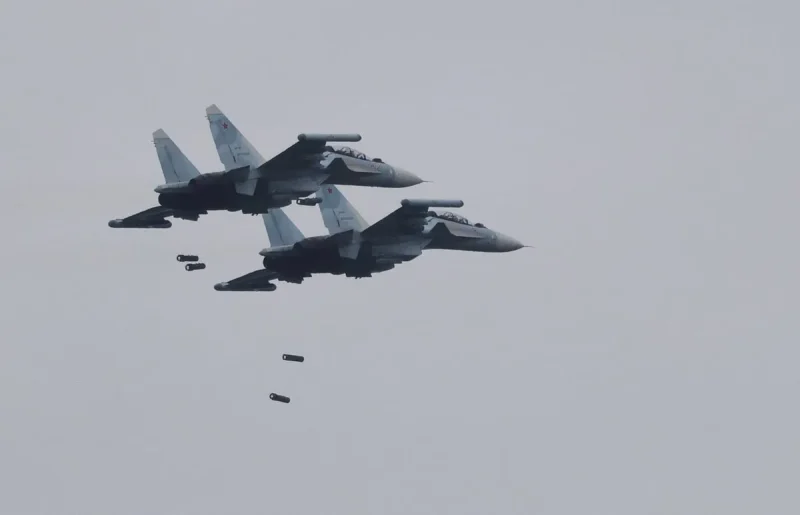
The recent entry of Russian warships into the Caribbean Sea marks a significant moment in global geopolitics. This deployment, amidst escalating tensions due to the war in Ukraine and Western support for Kyiv, represents Russia’s strategic posturing and its message to the United States and its allies. The presence of these warships in the Caribbean, a region historically influenced by the United States, indicates a broader geopolitical maneuvering by Moscow.
The deployment of Russian naval vessels, including a nuclear-powered submarine (albeit without nuclear weapons), underscores Russia’s intent to project power far beyond its traditional sphere of influence. This mission is not just a routine naval exercise but a calculated move to remind the United States of its vulnerabilities in its own hemisphere.
Benjamin Gedan of the Wilson Center notes that this is a pointed response to US involvement in Ukraine, intended to signal that Russia can exert influence in America’s “near abroad” . The timing is also crucial, coming shortly after President Biden authorized Ukraine to use US-provided weapons to strike inside Russia.
Russia’s long-standing alliances with Cuba and Venezuela provide strategic footholds in the Caribbean. Both countries have had a history of military and economic cooperation with Russia. The presence of Russian warships in Havana and potentially in Venezuelan ports signifies a reinforcement of these alliances.
For Cuba, this visit follows a historical pattern of military cooperation dating back to the Cold War. The Cuban government has been vocal in its support of Russia regarding the Ukraine conflict, as highlighted by Russian Foreign Minister Sergey Lavrov’s recent visit and statements .
Venezuela’s situation is more complex. The country’s political turmoil, economic crisis, and upcoming elections add layers to this development. Analysts, like Ryan Berg from the Center for Strategic and International Studies, suggest that Venezuela might leverage this military presence to bolster President Nicolás Maduro’s position amidst electoral uncertainties and regional disputes, such as the territorial conflict with Guyana .
While the US administration downplays the immediate threat posed by these warships, labeling the port calls as “routine naval visits,” the strategic implications are significant. The presence of Russian naval assets in the Western Hemisphere requires the US to maintain a heightened state of alert, diverting attention and resources that might otherwise be focused on other global hotspots .
The exercises also highlight the shifting dynamics in US-Russian relations, where each side is probing the other’s responses and resilience. For the US, this is a reminder of the necessity to reinforce alliances in Latin America and the Caribbean, ensuring that its influence remains strong in a region historically considered within its sphere of influence.
The deployment raises several questions about future geopolitical alignments and the potential for increased military engagements in the region. Key considerations include:
Potential Escalation: If the presence of Russian warships leads to heightened military activities, there could be a risk of incidents or misunderstandings that escalate into broader conflicts.
Impact on Elections: In Venezuela, the presence of Russian forces might be used to manipulate or delay the electoral process, impacting regional stability.
US Countermeasures: The US might increase its military presence and engagement in the region, potentially leading to a renewed focus on Latin America and the Caribbean in its foreign policy strategy.
Conclusion
The entry of Russian warships into the Caribbean is a bold move that underscores the complex and evolving nature of global geopolitics. While the immediate threat may be downplayed, the strategic implications for US interests and regional stability are profound. This development serves as a reminder of the interconnectedness of global conflicts and the importance of vigilance and strategic foresight in maintaining geopolitical stability.