How a Troubled Past Fuels the Failures and Jealousies of Somalia’s Controversial Leader
Somalia, a nation ravaged by decades of conflict, corruption, and terrorism, finds itself under the leadership of President Hassan Sheikh Mohamud for a second term. But what drives this man who stands at the helm of one of the world’s most corrupt and unstable countries? According to sources close to him, President Mohamud’s actions are deeply rooted in the unresolved traumas of his past, manifesting as a Grown Wounded Child (GWC). His persistent and chronic feelings of emptiness, helplessness, and hopelessness contribute to a presidency marked by corruption, terror alliances, and jealousy towards the peaceful and stable Somaliland.
President Hassan Sheikh Mohamud, born on November 29, 1955, exhibits classic symptoms of a Grown Wounded Child. These include inherited shame, guilt, fears, distortions, distrust, and bonding problems. His childhood, reportedly marked by low nurturance, forced him to develop protective, short-sighted, and reactive false selves. This psychological turmoil is evident in his leadership style and the governance of Somalia, which has been consistently ranked as the world’s most corrupt country.
Under Mohamud’s administration, billions in US and EU aid meant to bolster Somalia’s fight against al-Shabaab have been squandered through corruption. The Somali National Army (SNA), despite receiving substantial international support, remains ineffective due to intelligence failures and corruption within the government. This mismanagement not only perpetuates Somalia’s instability but also emboldens al-Shabaab militants, who continue to exploit military resources and maintain their grip through guerrilla tactics.
Mohamud’s deep-seated envy of Somaliland’s 33 years of peace and stability starkly contrasts with his inability to secure Mogadishu. This jealousy became evident when Somaliland and Ethiopia signed a Memorandum of Understanding (MOU). Hassan irrationally accused Ethiopia of invading Somalia’s territory, despite Somalia having no jurisdiction over Somaliland for decades. His erratic behavior, asking Turkey to mediate and then conceding Ethiopia’s right to access the sea, highlights his psychological disarray and inability to deal with Somaliland’s success.
While Somalia remains a hotspot for terrorism and corruption, Somaliland has managed to carve out a niche of stability and peace. Despite lacking international recognition and financial support, Somaliland has maintained a functioning democratic system and robust local governance. The contrast is glaring: Somalia, under Mohamud’s leadership, continues to beg for international aid, now looking towards Russia and Iran after exhausting Western resources.
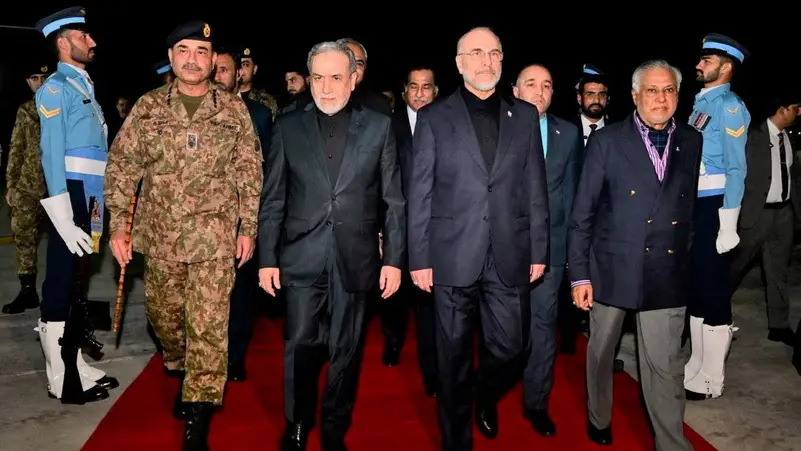
Hassan Sheikh Mohamud’s presidency is characterized by desperation. His government, crippled by debt and corruption, relies on any available support, even from controversial allies like Iran. Reports indicate that he has even entertained deals with Iran’s elite military force, the IRCG, to train Somalia’s army in exchange for diplomatic ties. This move further isolates Somalia from its traditional allies and complicates its geopolitical stance.
The symptoms of Hassan Sheikh Mohamud’s GWC status are not just personal but have national ramifications. His inability to effectively lead and secure Somalia has plunged the country into deeper chaos. The international community’s investments in Somalia’s stability are undermined by his corrupt and reactive governance. Meanwhile, Somaliland’s progress stands as a stark reminder of what Somalia could achieve with competent and stable leadership.
President Hassan Sheikh Mohamud’s tenure is a tragic example of how unresolved psychological wounds can manifest in governance, leading to widespread corruption, instability, and misplaced jealousy. As Somalia continues to struggle under his leadership, the international community must reassess its approach, ensuring that aid and support are not funneled into a system plagued by the deep-rooted issues of its leader.
Billions Invested, Corruption Endured: The Ongoing Struggle Against al-Shabaab in Somalia
Somalia’s Shift Towards Russia: Strategic Realignment or Desperate Gamble?